Waiohuli Kai
Our Mission & Vision

Restoring the Connection from Mauka to Makai

The mission of ʻĀinakūkoʻa is to restore balance by strengthening relationships within community and ʻāina.

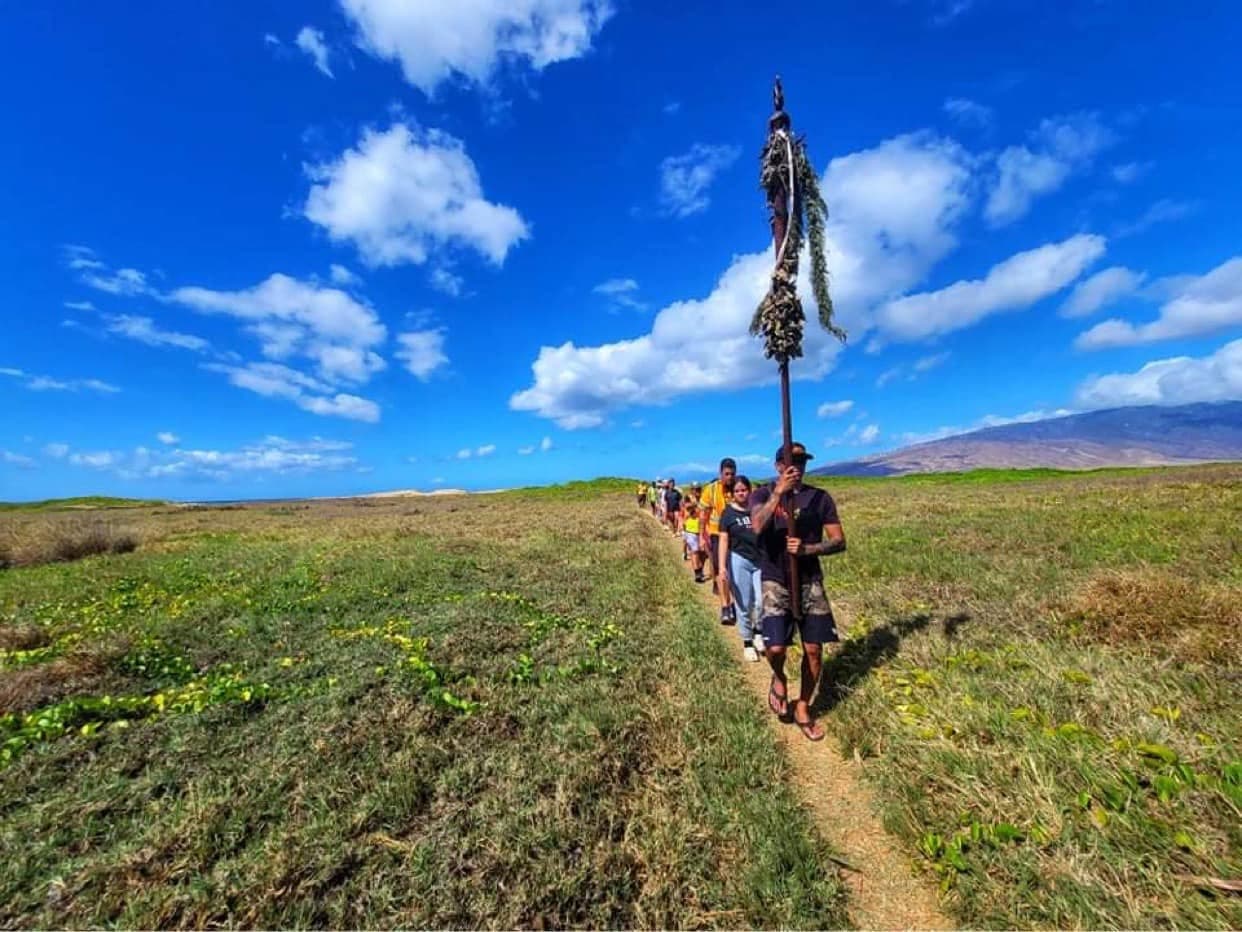
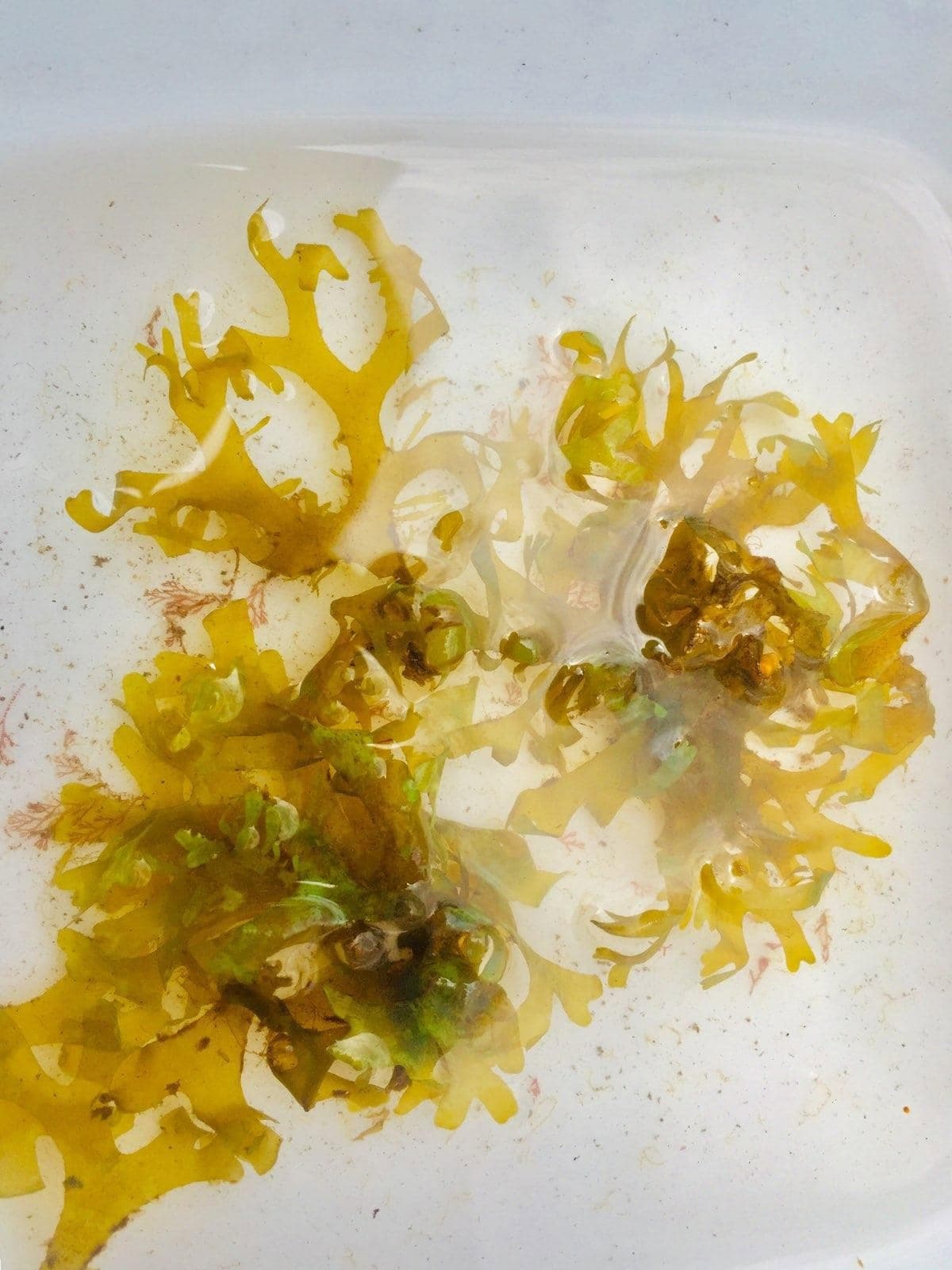
We are a moku-led, community-fed hui—rooted in the moku system to provide for our community—dedicated to the restoration and rehabilitation of native habitat and coastal ecosystems at Waiohuli Kai, serving as a living example of mauka to makai stewardship for Maui. On the ground, restoring balance means rehabilitating coastal systems—including coral reefs, loko iʻa (fishponds), fisheries, and limu (seaweed)—to ensure long-term ecological health, food system resilience, and cultural continuity for future generations.

Our Purpose

We exist to inspire leadership and serve as role models by strengthening relationships within community and with ʻāina.

Our Vision

Our vision is to strengthen our relationships with one another and with our natural resources through ʻike Hawaiʻi, fostering healthy communities, abundant ecosystems, and a balanced future for generations to come.

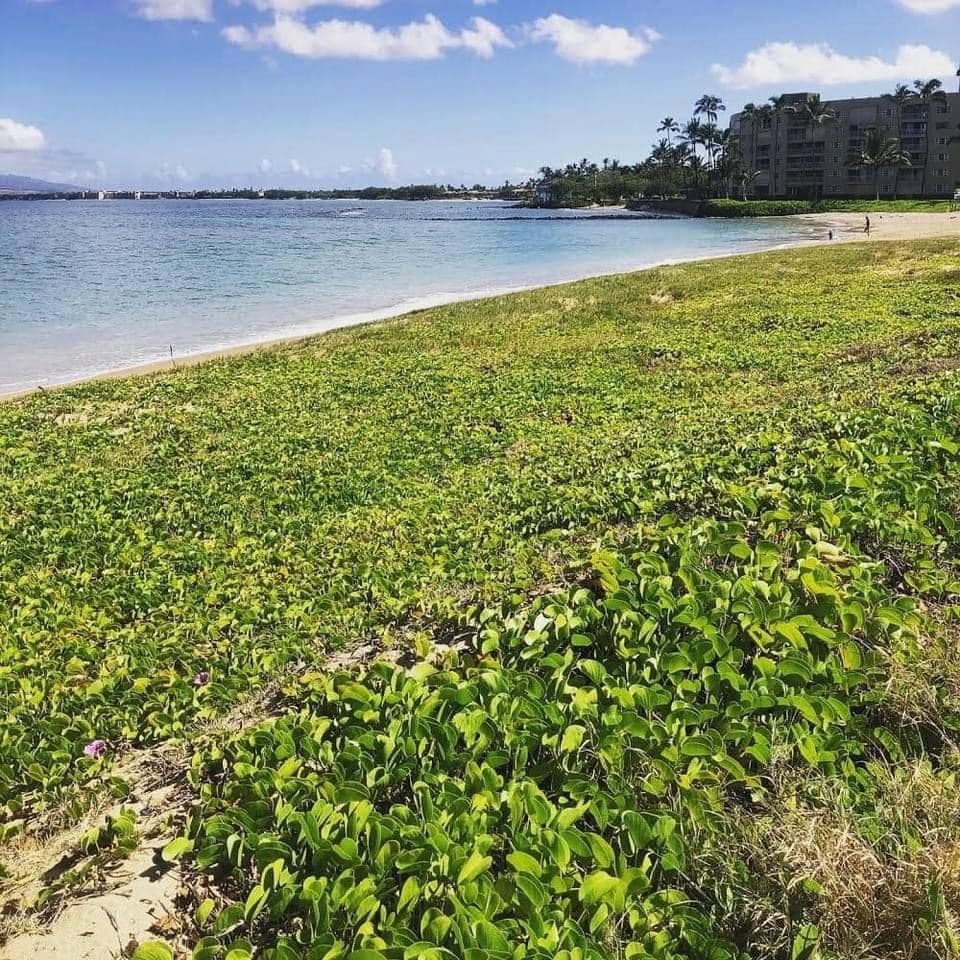
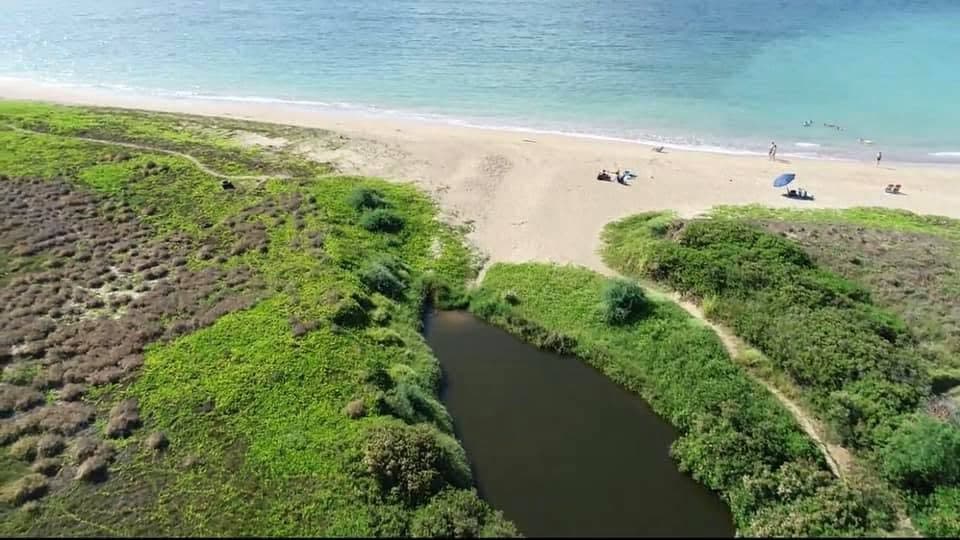
At Waiohuli Kai, that means restoring and sustaining a living coastal ahupuaʻa (traditional land division) where makai to mauka systems function in balance—linking ocean, dunes, wetlands, and upland water sources through natural pathways, while revitalizing nearshore ecosystems and traditional food systems guided by ʻike Hawaiʻi.

Founding Leadership

The People Carrying This Work

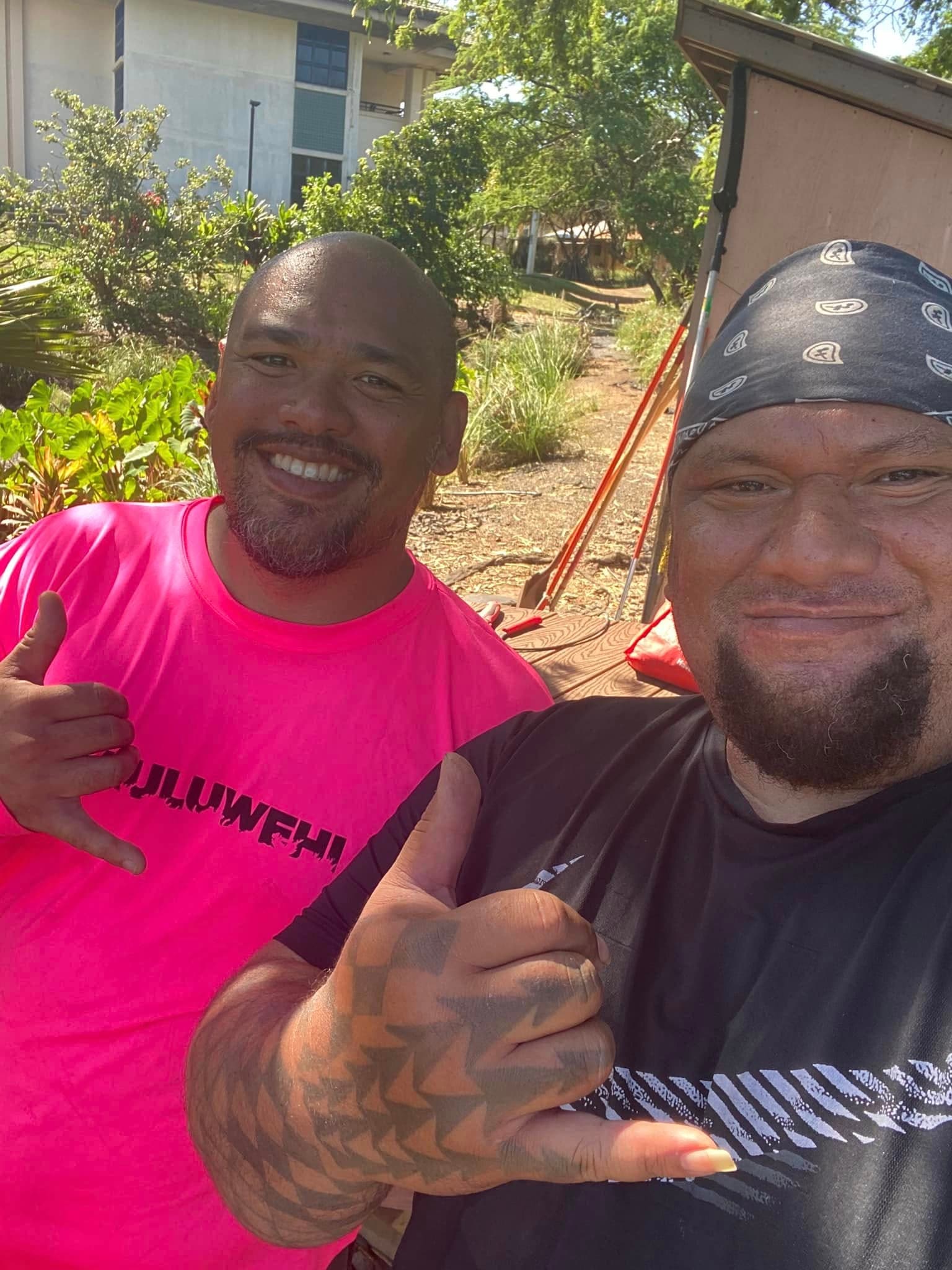
Cody “Koko” Nemet Tuivaiti

Poʻo / Project Director

Welina mai, ʻo wau ʻo Koko. Ua hānai ʻia au ma Maui a noho au i Kula Kai ma ka ahupuaʻa ʻo Keōkea.

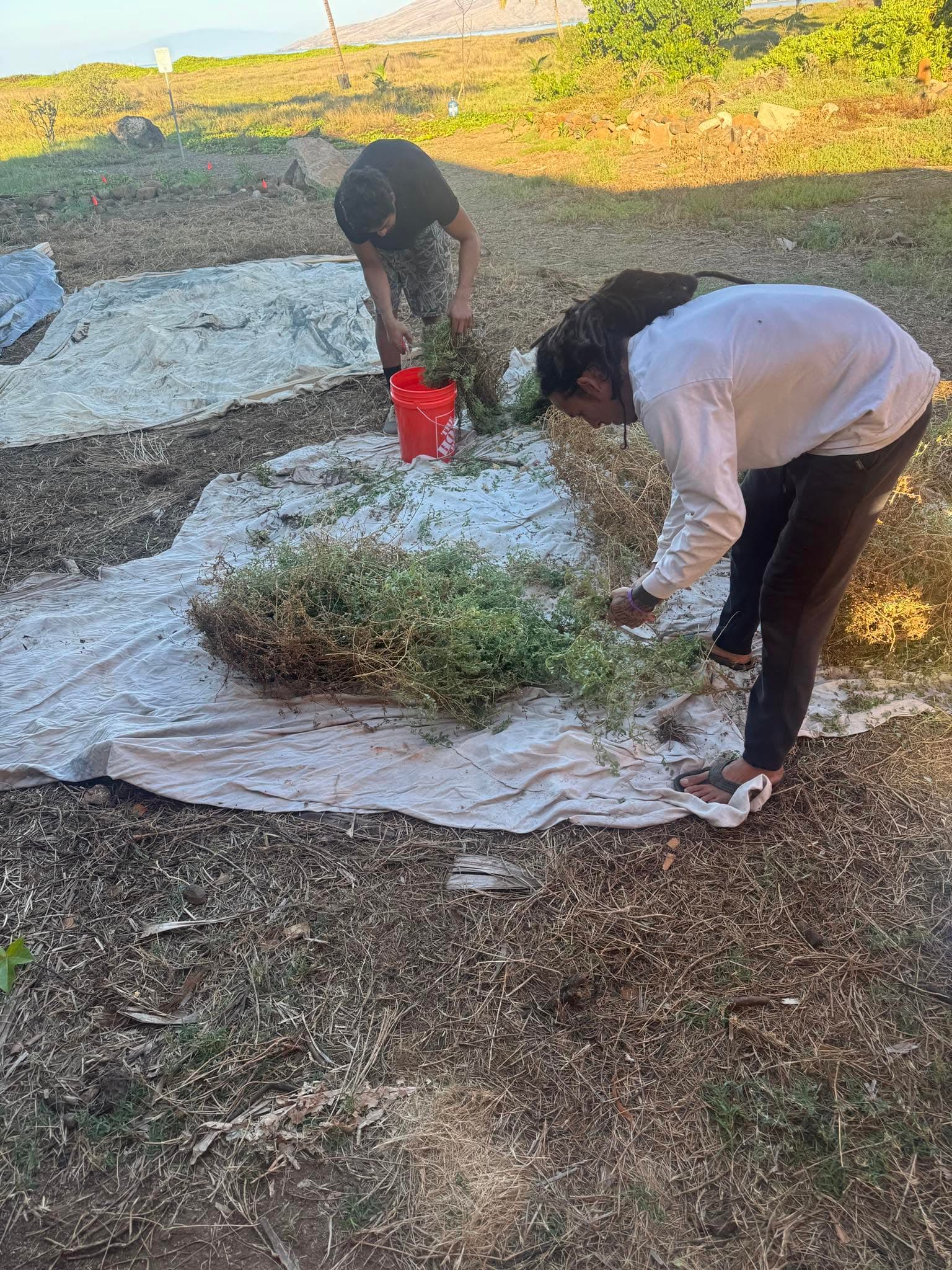
Greetings, my name is Cody, though many know me as Koko. I was raised on Maui, primarily here in Kula Kai. I began this work as a volunteer for several years before taking on the role of Poʻo and Project Director full time. I am thankful for the opportunity to care for our place and to follow the example of my mentors as leaders within our communities.

Terani Richmond

Alakaʻi

Aloha mai. ʻO Terani Richmond koʻu inoa. No Waiohuli mai au.

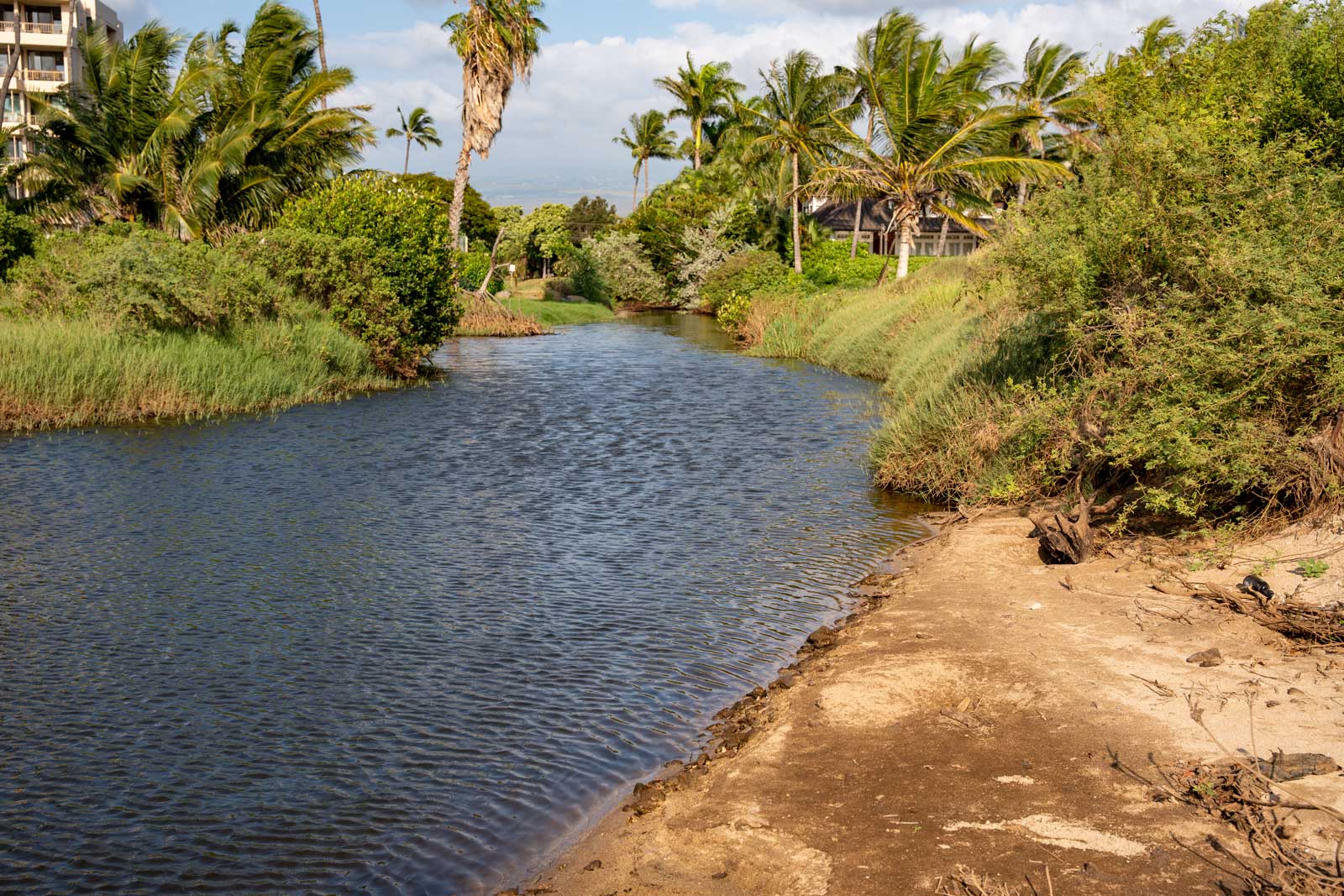
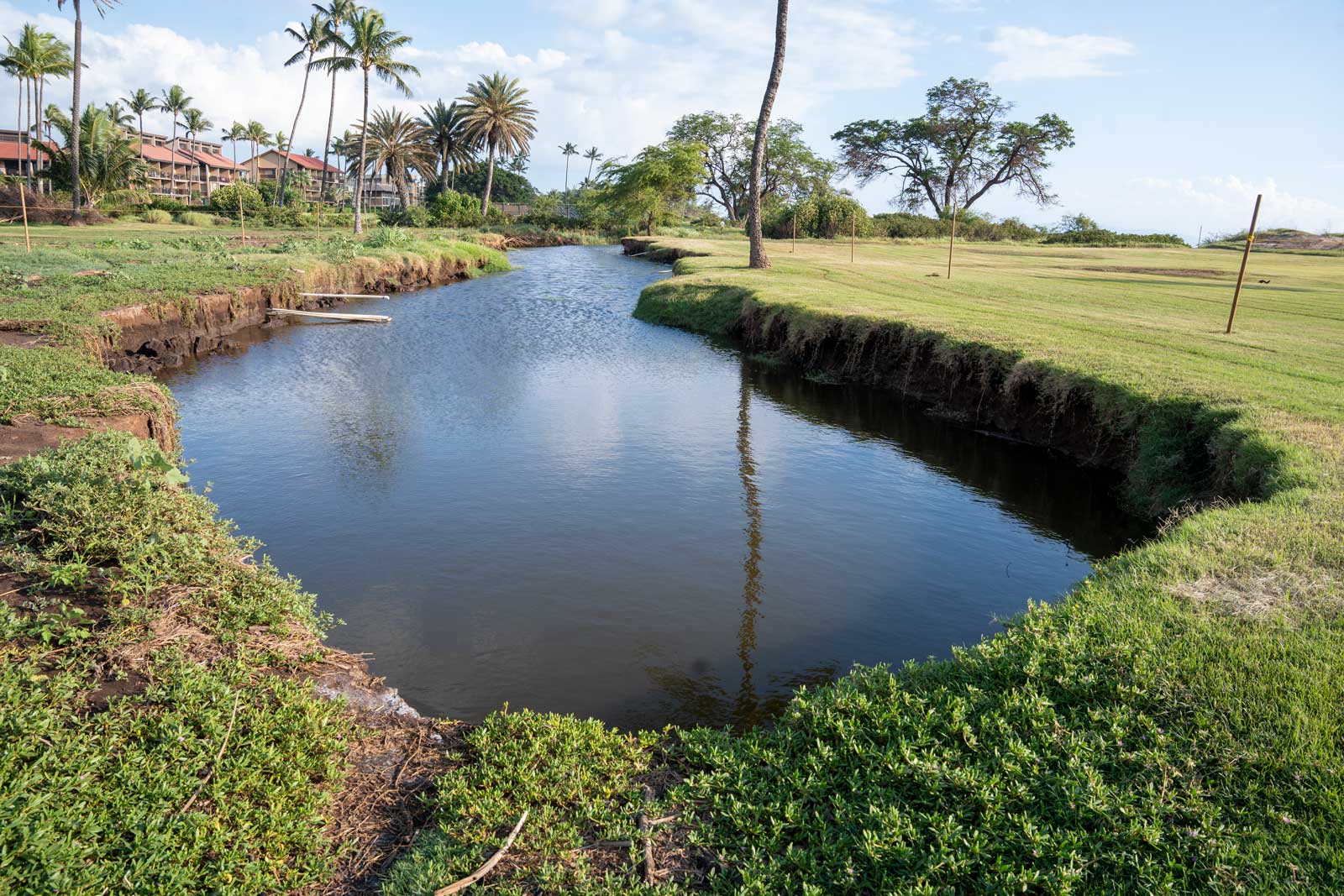
My kuleana is to encourage a thriving native habitat in Waiohuli Kai. Through kilo and Hawaiian land management practices, I help our wetland ʻāina become momona by caring for native plants, waterways, dunes, seed banks, flood mitigation, and the shoreline. My goal is to mālama ʻāina and support a healthy and thriving environment for our community and future generations.

Kaleo Demello

Alakaʻi

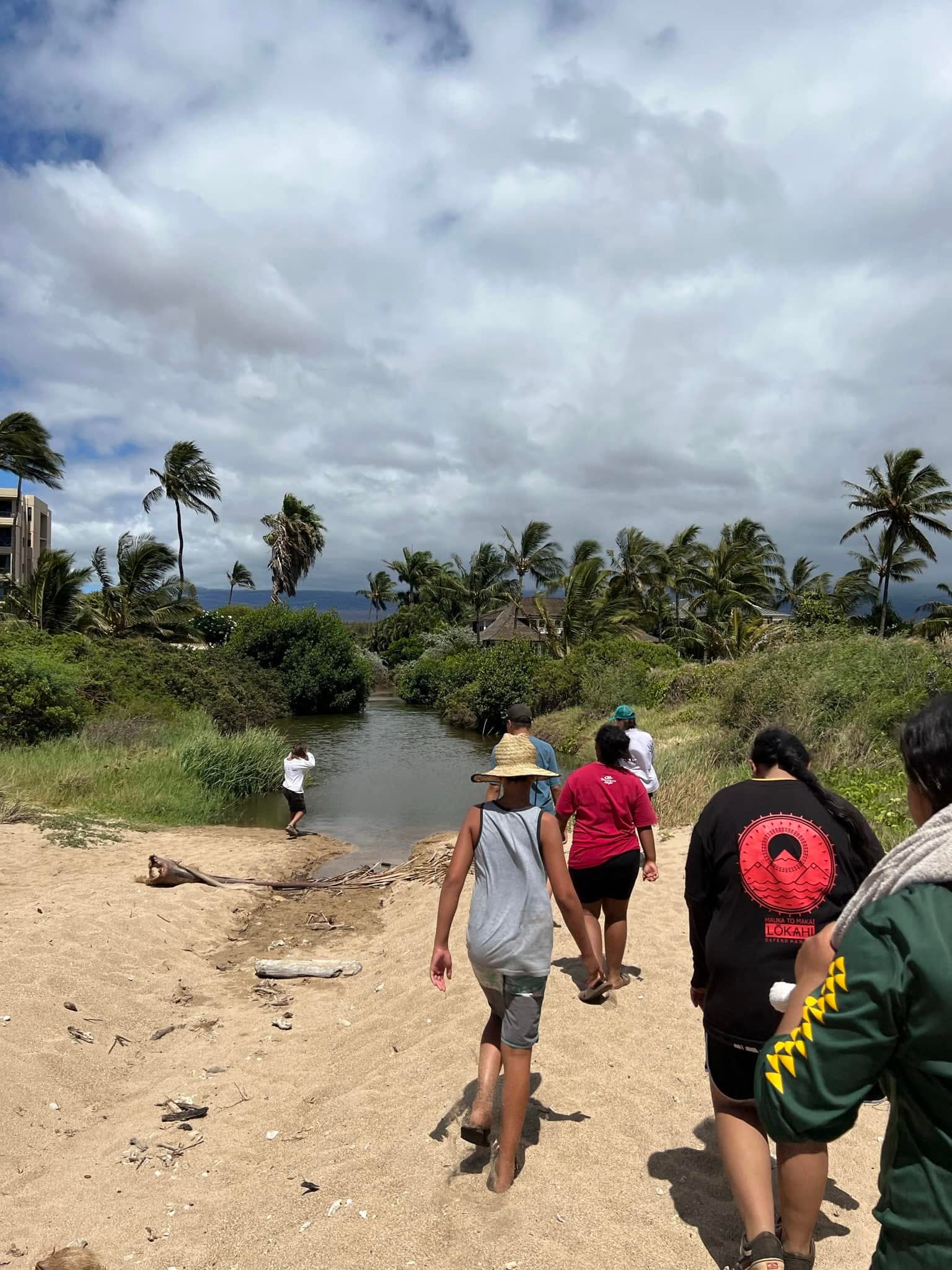
My name is Kaleo Demello. I was born and raised Upcountry Maui. I mālama Waiohuli Kai, including its wetland, muliwai, and shoreline. My work is grounded in caring for these connected systems and supporting the continued health of the ahupuaʻa.

Leadership Structure

Poʻo
Provides vision, direction, and organizational leadership.
Alakaʻi
Guides people, programs, and projects while carrying out the mission.
Kākoʻo
Supports the organization through administration, operations, logistics, and coordination.
Board of Directors
Provides governance, accountability, and strategic oversight for the organization.
ʻIke Hawaiʻi / Our Name

What is ʻĀinakūkoʻa?

ʻĀinakūkoʻa is more than a name. It holds three ideas:

  • ʻĀina: More than land—that which feeds and sustains life. It includes the mountains, forests, streams, wetlands, shoreline, reefs, ocean, sky, and all living things that exist within them.
  • Kū: To remain steadfast and in protection.
  • Koʻa: Our coral, our papa, and our living systems.

Together, kūkoʻa means to stand steadfast in protection of our living systems. ʻĀinakūkoʻa is our commitment to stand firmly in protection of the living systems that feed and sustain life. Our work aims to restore function, not recreate a static past condition—bringing the system back into balance in a contemporary context.

Protecting our living systems

It is not simply a name. It is a lifelong commitment.

Koʻa—our coral, our papa—is the foundation that shelters and sustains life along this coast. Like coral, we are strongest when we grow together—building, protecting, and sustaining the foundation that supports life.

"Like coral, we are strongest when we grow together."

One Connected Continuum

From Reef to Watershed

Water moves mauka to makai, from the uplands to the reef. Understanding that flow first is what lets us read the system in reverse. At its core, our work follows a makai to mauka systems approach, recognizing that all elements—water, sediment, vegetation, and human interaction—are connected across the landscape. What happens makai directly impacts reef health, limu growth, fish populations, and coastal water quality—which in turn sustains life moving mauka.

🌊

Ocean

Reef systems, native fisheries, and nearshore limu beds.

🌿

Makai

Wetlands, natural muliwai (estuaries), and coastal dunes.

💧

Kula

Infiltration zones and sediment transport.

⛰️

Mauka

Rainfall, cloud systems, and freshwater springs.

The Challenge

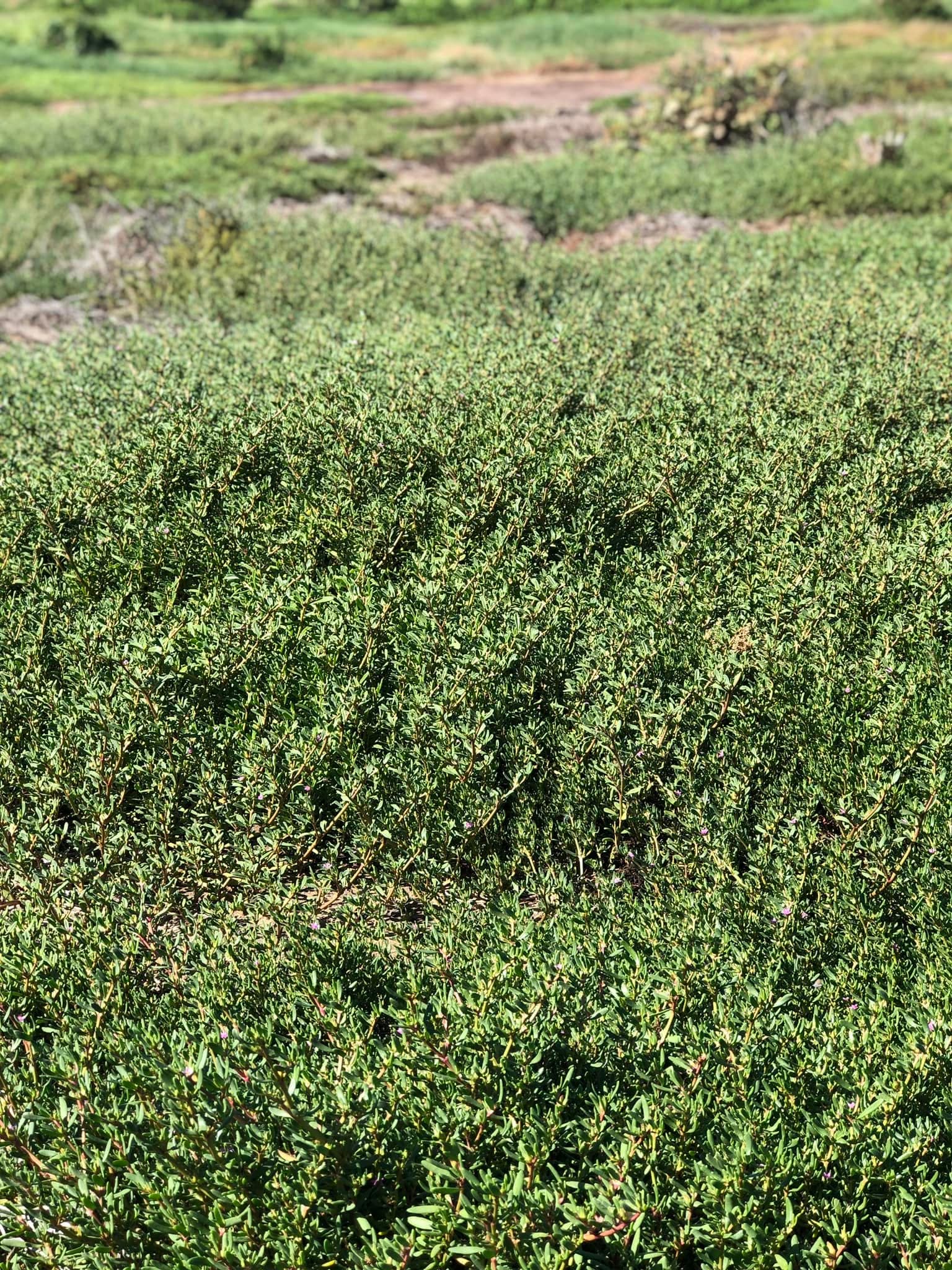
Erosion and shoreline instability, invasive species across land and coastal zones, disrupted water pathways, degraded nearshore ecosystems, and fragmented management.

The Opportunity

To restore balance across the full system—from mauka to makai—including the regeneration of coastal food systems and reef health.

Makai to Mauka View

The Landscape

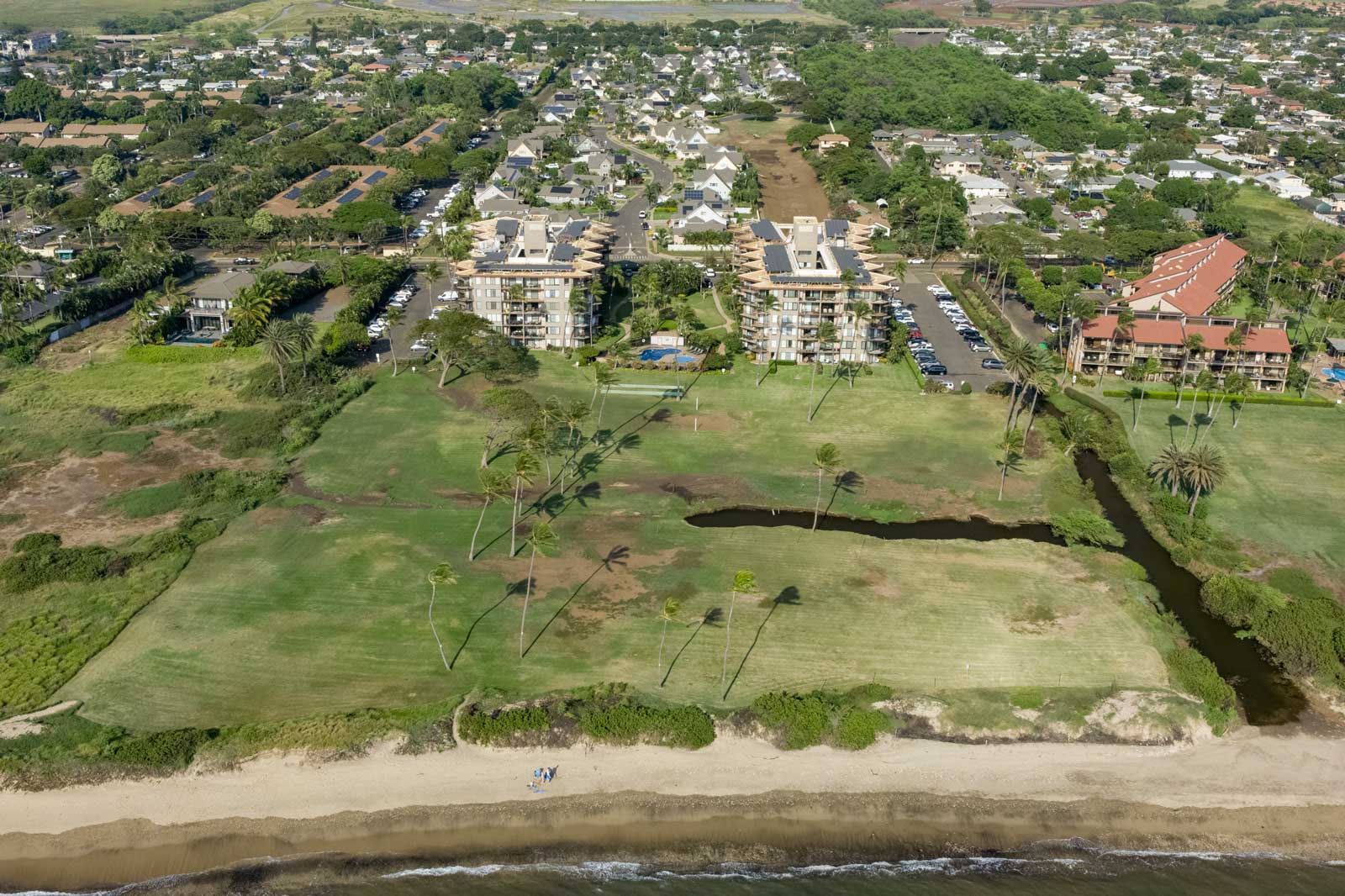
Waiohuli Kai: A Connected System

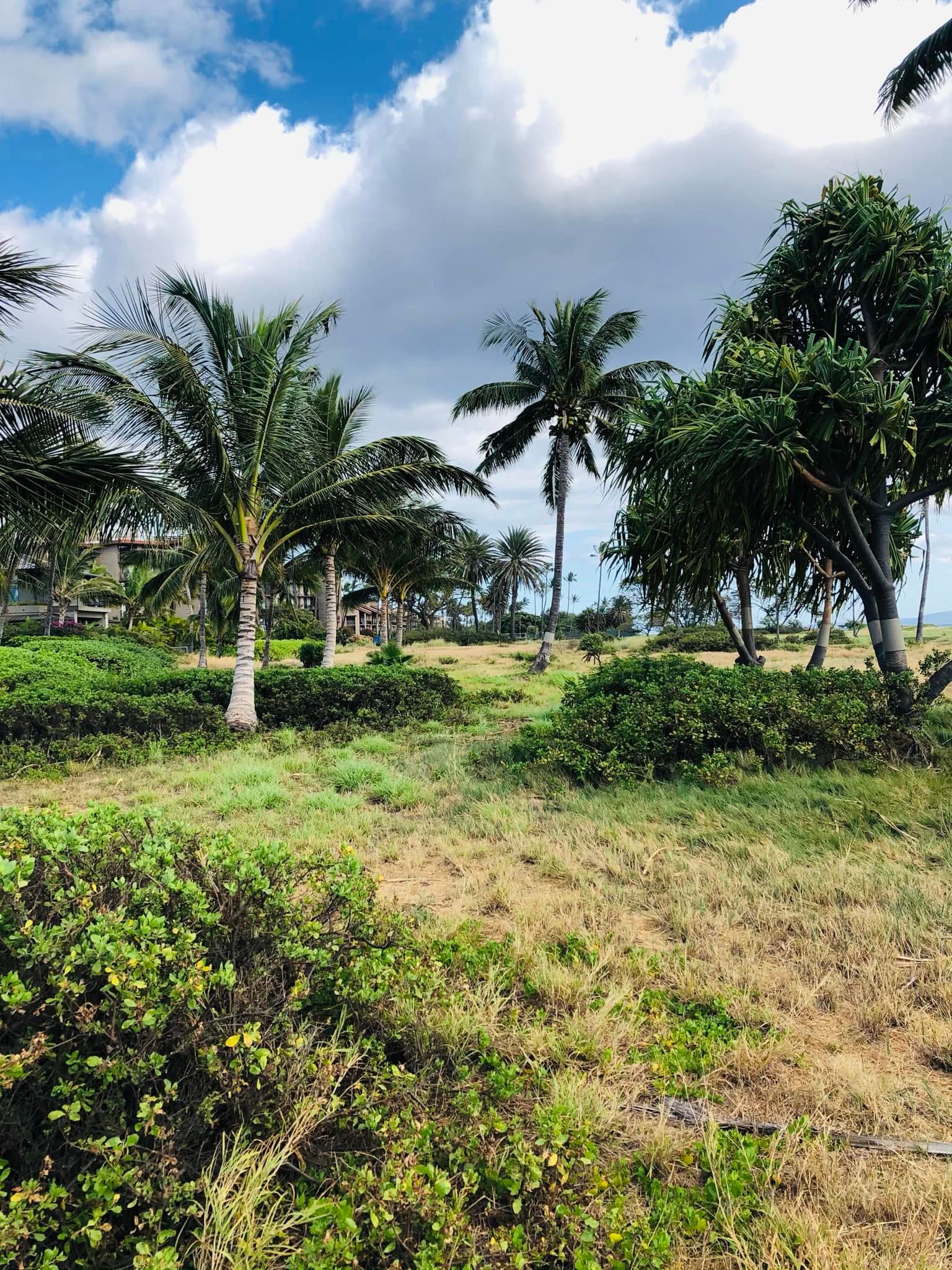
This panoramic view captures the essence of our makai-to-mauka approach. By understanding the flow of water and sediment from the uplands down to the ocean, we can implement restoration strategies that heal the entire continuum, rather than isolated patches.

From Our Constitution

What We Stand On

Five values shape how we carry ourselves. Five principles shape how we act. Together they are the measure for every decision ʻĀinakūkoʻa makes.

Core Values

Nā Waiwai

Kūpono

Act with integrity, righteousness, and balance.

Kākoʻo

Support one another and strengthen our community.

Kiaʻi

Protect and care for ʻāina, resources, and each other.

Hoʻomanawanui

Persevere with patience, resilience, and commitment.

Kuleana

Accept and fulfill our responsibilities with humility and purpose.

Guiding Principles

Nā Kumu Alakaʻi

Nānā i ke Kumu

Seek the source before taking action.

Kilo

Observe, listen, and learn before making decisions.

Pilina

Build lasting relationships with people and ʻāina.

Ma ka Hana ka ʻIke

Knowledge is gained through practice.

Kaulike

Strive to restore and maintain balance in all that we do.

How We Work

Guided by Practice, Not Just Planning

The land is treated as a living, interconnected system. We recognize that landscapes were designed to absorb, filter, and manage water, not push it through. Our approach is framed through traditional Hawaiian values and ecological science.

Work with Natural Systems

Work with Natural Systems

Understand and support natural functions rather than imposing engineered solutions (like retention basins or hard channelization).

Slow, Spread, and Sink

Slow, Spread, and Sink

Disperse water across the landscape, allowing wetlands and dunes to function as natural filtration and buffering systems.

Seed Bank–Driven Restoration

Seed Bank–Driven Restoration

Focus on identifying, protecting, and activating the existing native seed bank. Mass planting is secondary to restoring the conditions that allow the land to heal itself.

Restore Mauka-to-Makai Connectivity

Restore Mauka-to-Makai Connectivity

Align land-based and ocean-based management to ensure that sediment is filtered on land before reaching our living coral.

Practice Kilo Before Intervention

Practice Kilo Before Intervention

Decisions are informed by reading the land over time—water movement, plant succession, seasonal shifts, and moon phases—before active work begins.

Build Shared Kuleana

Build Shared Kuleana

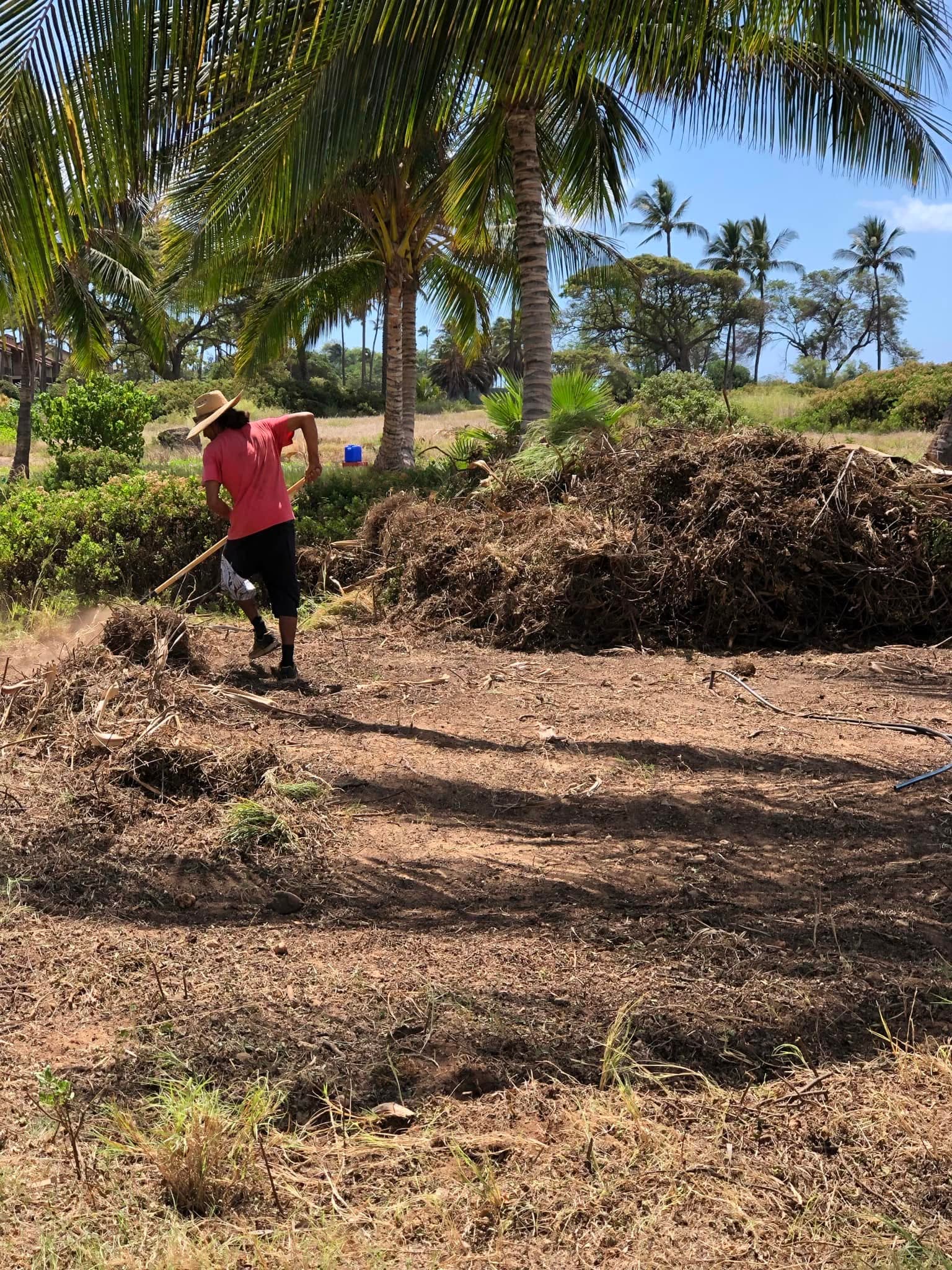
Cultivate a deep sense of responsibility across generations, recognizing that long-term success requires consistent, on-the-ground community stewardship.

Our Approach

Four Steps, in Order

Before any work begins, we come to know the place, earn trust, and watch. Only then do we act, and let the doing teach us.

  1. 1

    Hoʻokamaʻāina

    Become familiar with the place, its people, and its history.

  2. 2

    Hoʻolauna

    Build relationships and establish trust with the community and partners.

  3. 3

    Kilo

    Observe, listen, and understand before taking action.

  4. 4

    Ma ka Hana ka ʻIke

    Learn through action and continually improve through experience.

Waiohuli South Landscape
Kilo (Methodology)

Kilo: Observe, Understand, and Care

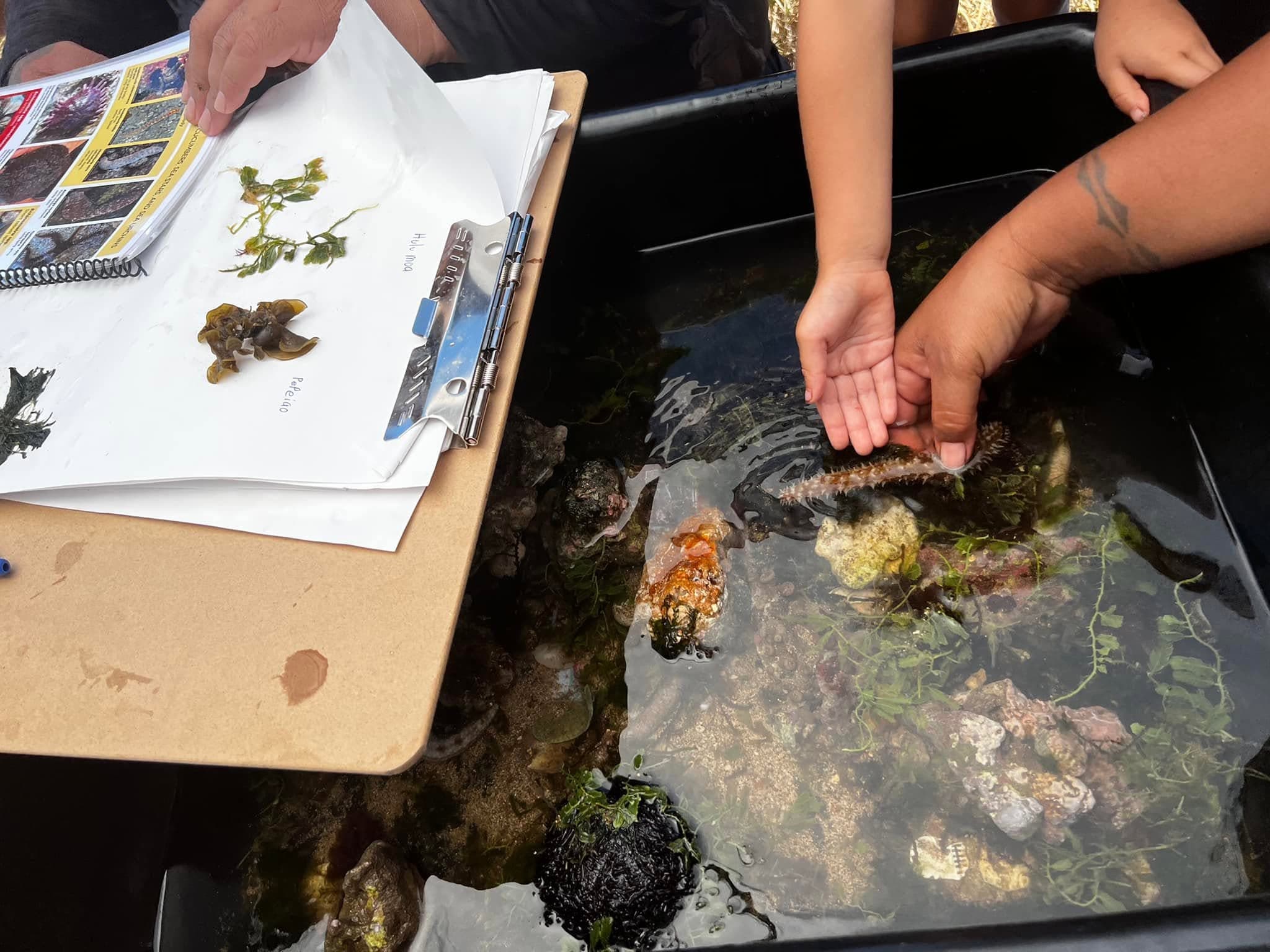
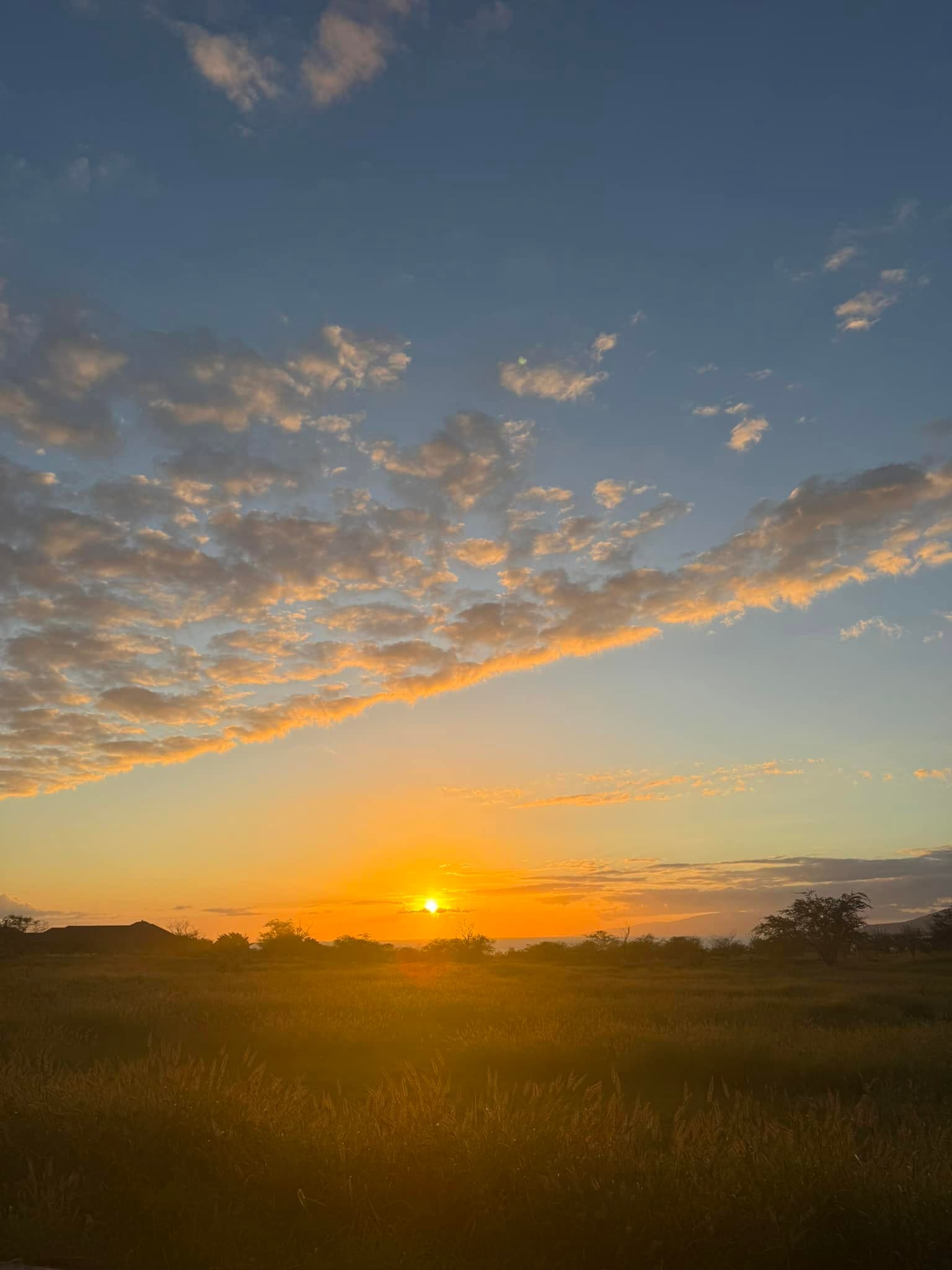
Kilo means to observe, to watch closely, and to attune oneself to the patterns of the natural world. For our kūpuna, kilo was not just seeing with the eyes—it was feeling, listening, smelling, touching, and sensing the signs that reveal the health of ʻāina, kai, and lewa (land, sea, and sky).

Through kilo, we learn to move with the natural rhythms—the moon’s phases, the tides, the winds, the clouds, and the migrations of birds and fish. Kilo connects us to time, to the pulse of our environment, and to our kuleana to care for it. It teaches patience, humility, and connection.

"E kilo, e ʻike, e mālama — Observe, understand, and care."

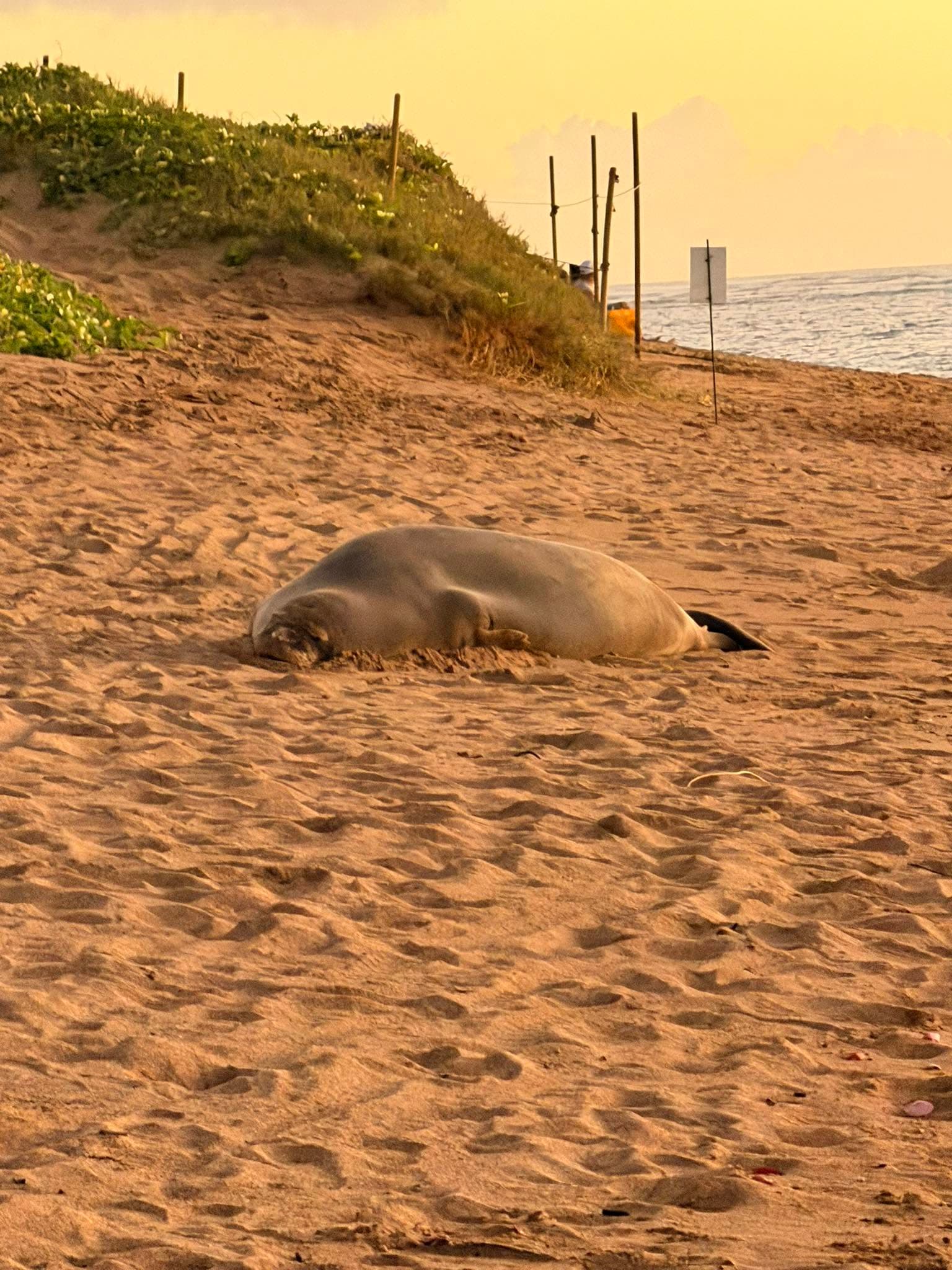
Hawaiian Monk Seal

Indicators of Health

The presence of native species—like this Hawaiian monk seal resting on our shores—provides critical feedback on the health of our coastal ecosystems. Kilo teaches us to read these signs and adjust our stewardship accordingly.

Kilo in Practice at Waiohuli Kai

Observing Tides & Moon Cycles

Observing Tides & Moon Cycles

Done to understand coastal water movement and how it shapes our dunes and wetlands.

Watching Clouds & Wind Patterns

Watching Clouds & Wind Patterns

Utilized to forecast rain and moisture for our native plantings.

Listening for Signs of Life

Listening for Signs of Life

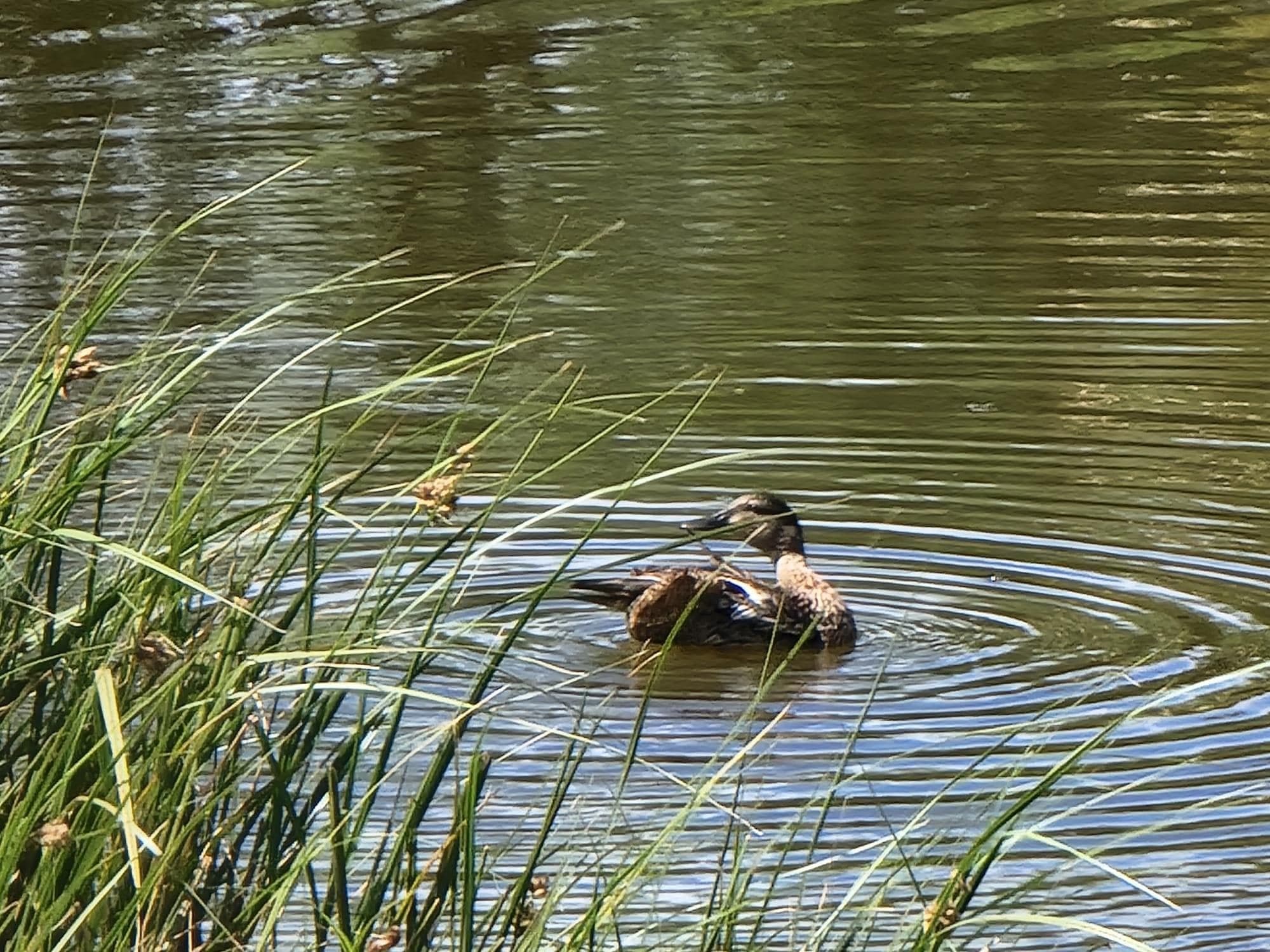
Sensing the return of manu (birds), insects, and native species as clear indicators of ecological balance and restoration success.

Tracking Seasonal Blooms

Tracking Seasonal Blooms

Monitoring plant growth and seed dispersal to guide our restoration timing and outplanting windows.

Panorama of coconut palms and grassland at Waiohuli under a wide sky
Waiohuli · Looking Mauka

A hundred years from now, this should still be the view.

Generational Pathway

A 100-Year Vision for Waiohuli Kai

This is not a short-term installation project. We are working toward a generational restoration vision where wetlands filter sediment, dunes stabilize the shoreline, reefs recover, limu beds regenerate, fisheries are supported, and community stewardship is embedded across generations.

🌱

Short-Term (1–5 Years)

  • Stabilize dunes and wetland systems.
  • Remove invasive species and establish native restoration zones.
  • Map mauka-to-makai water pathways and build partnerships.
🌿

Mid-Term (5–20 Years)

  • Create a functional land-to-sea restoration corridor.
  • Improve nearshore water quality and reestablish limu habitats.
  • Strengthen loko iʻa (fishpond) connections and observe measurable recovery.
🌳

Long-Term (20–100 Years)

  • Realize a self-sustaining watershed-to-reef system.
  • Establish resilient fisheries supported by healthy habitats.
  • Fully integrate cultural and ecological stewardship across generations.
How We Decide

Three Questions Before Any Action

Longevity

Is this sustainable, and will it create lasting benefits for future generations?

We prioritize decisions that strengthen the long-term health of our organization, our communities, and the ecosystems we serve.

Feasible

Is this realistic, achievable, and within our capacity to accomplish responsibly?

We commit to pursuing work that can be completed effectively, responsibly, and with the resources and expertise available.

Pono

Does this align with the mission, vision, purpose, values, and guiding principles of ʻĀinakūkoʻa?

Every action should reflect the identity of our organization and honor our commitment to ʻike Hawaiʻi, kuleana, and the communities and places we serve.

Who We Serve

Land, Community, Children, Partners

🌿

ʻĀina

Protecting and restoring Hawaiʻi's living ecosystems.

🤝

Kaiāulu

Strengthening communities through shared responsibility.

📅

Nā Keiki

Inspiring the next generation of Kiaʻi.

🤝

Nā Hoa Hana

Partnering with landowners, organizations, and government agencies.

Coordinated Effort

Restoration Requires Many Hands

ʻĀinakūkoʻa works to strengthen communication and collaboration across the watershed, aligning land-based and ocean-based stewardship to build shared kuleana across sectors. We collaborate closely with:

County & State Agencies

County & State Agencies

Aligning watershed-scale flood mitigation.

Adjacent Landowners

Adjacent Landowners

Partnering on dunes and shoreline access.

Schools & Educators

Schools & Educators

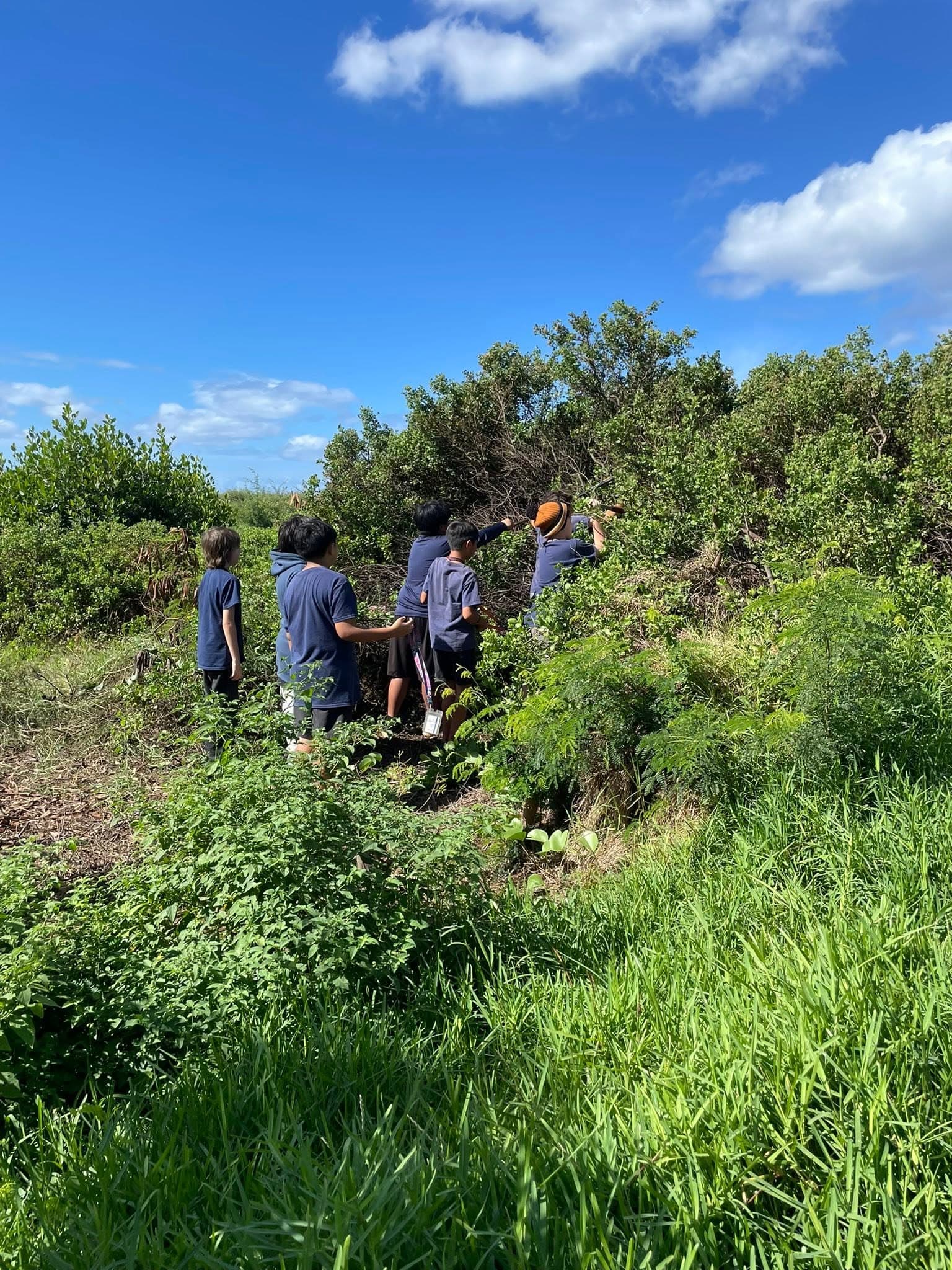
Inviting youth to learn kilo and environmental science.

Cultural Practitioners

Cultural Practitioners

Guiding loina, traditions, and land management.

Marine Partners

Marine Partners

Supporting reef health and ecology research.

Community Volunteers

Community Volunteers

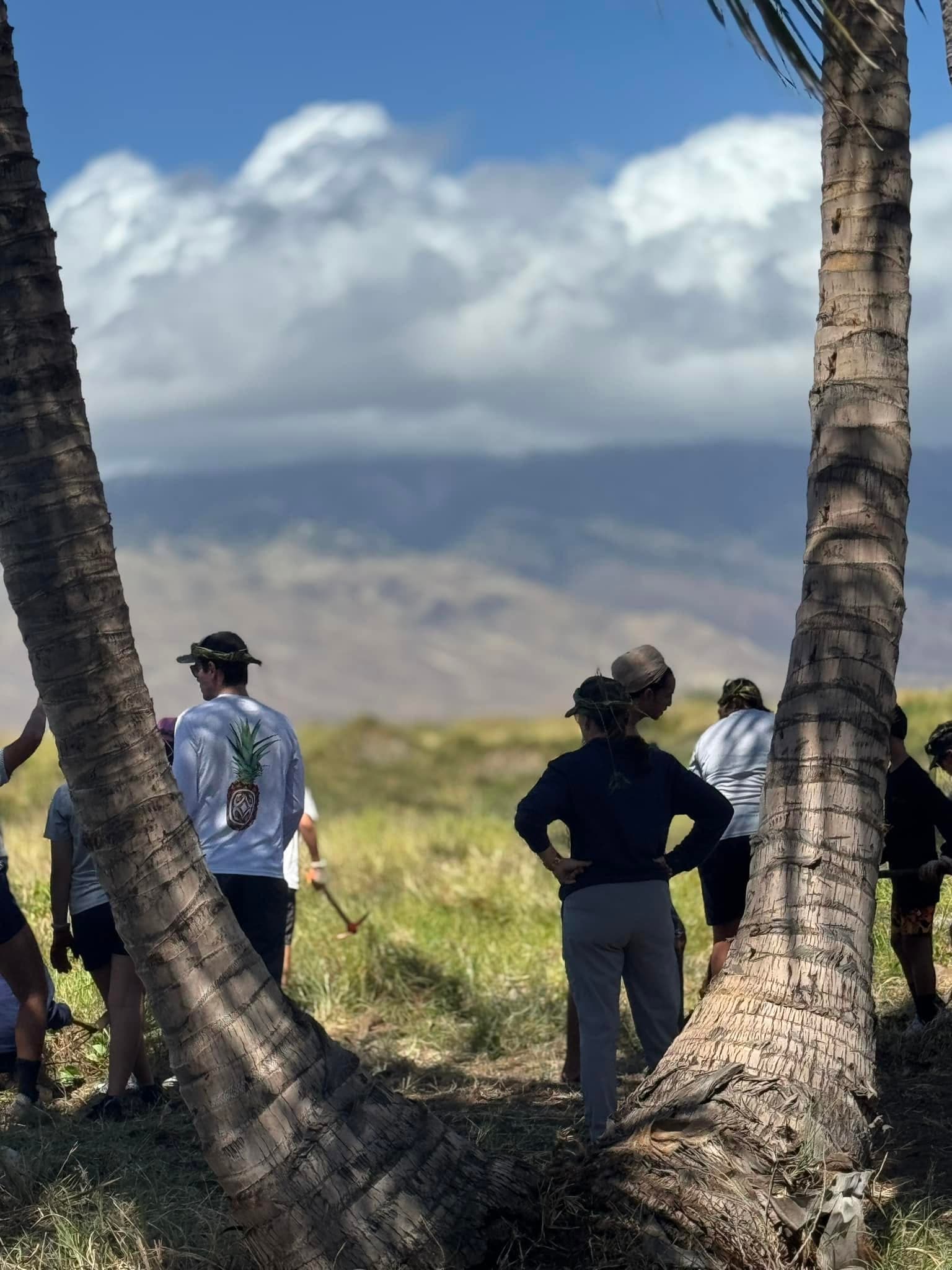
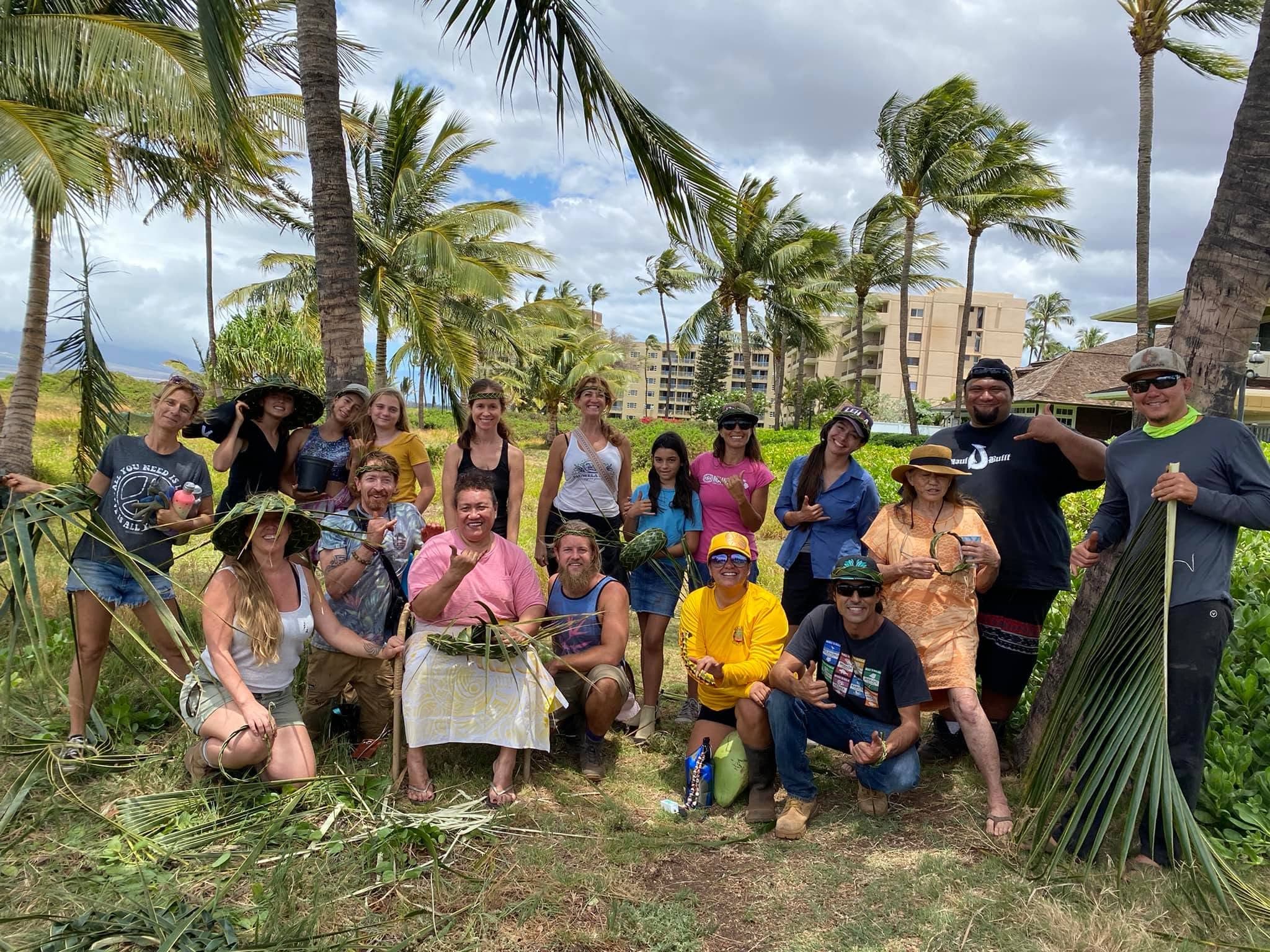
Mālama ʻāina hands-on restoration.

Community Work Day

Stand in Protection of What Sustains Life

Your support helps sustain restoration, education, cultural practice, and long-term observation across connected lands and waters.