Learning Through Relationship
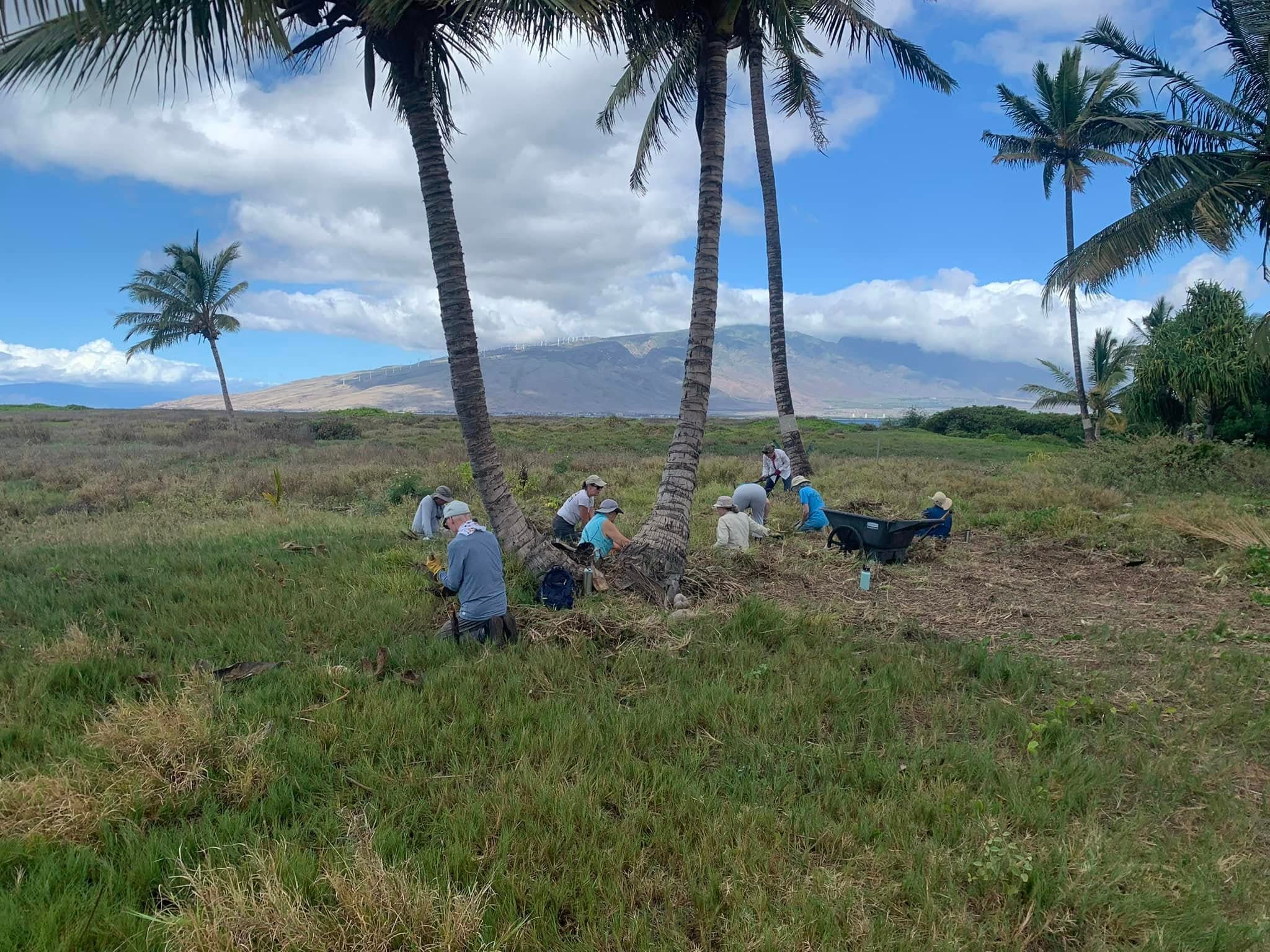
Through community workshops, field learning, and deep-rooted partnerships, ʻĀinakūkoʻa supports the essential process of becoming familiar with place. True learning happens through practice, observation, and active relationship.
We invite you to join us in practicing kuleana—to observe, understand, and care for this living system.
Every Program Revolves Around Three Things
The purpose of our programs is to teach, share, and exchange information. Each one is built on wai, ʻāina, or kai, and kilo runs through all three: every program begins with observation.
Wai
The mauka to makai connection, the ahupuaʻa system, watersheds, groundwater, and surface water, and the impacts these systems have on one another. Water quality, restoration, conservation, climate resilience, and the practices that protect and restore the health of our wai.
ʻĀina
Soil, plants, crops, dune systems, and their relationships with people, wai, kai, and other core elements. Restoration, conservation, native ecosystems, agriculture, and the land management practices that protect and restore the health of our ʻāina.
Kai
Water quality, limu, marine life, coral health, and their relationships with people, wai, ʻāina, and other core elements. Restoration, conservation, fisheries, coastal ecosystems, and the practices that protect and restore the health of our kai.
Music and cultural arts are part of this work too, as education, expression, storytelling, cultural perpetuation, and a way of strengthening relationships between people, culture, identity, and ʻāina.
1. ʻĀina / Land, Water, and Living Systems
ʻĀina is the first pou: caring for and restoring the health and abundance of our natural resources. It is our physical connection to the land through active stewardship and cultural practice. Kanaka (people) and ʻāina are not separate; we are part of one living, interconnected system. Our land-management strategy is designed to restore natural functions rather than control them—prioritizing natural processes such as slowing, spreading, and sinking water across the landscape to allow wetlands and dunes to heal themselves.
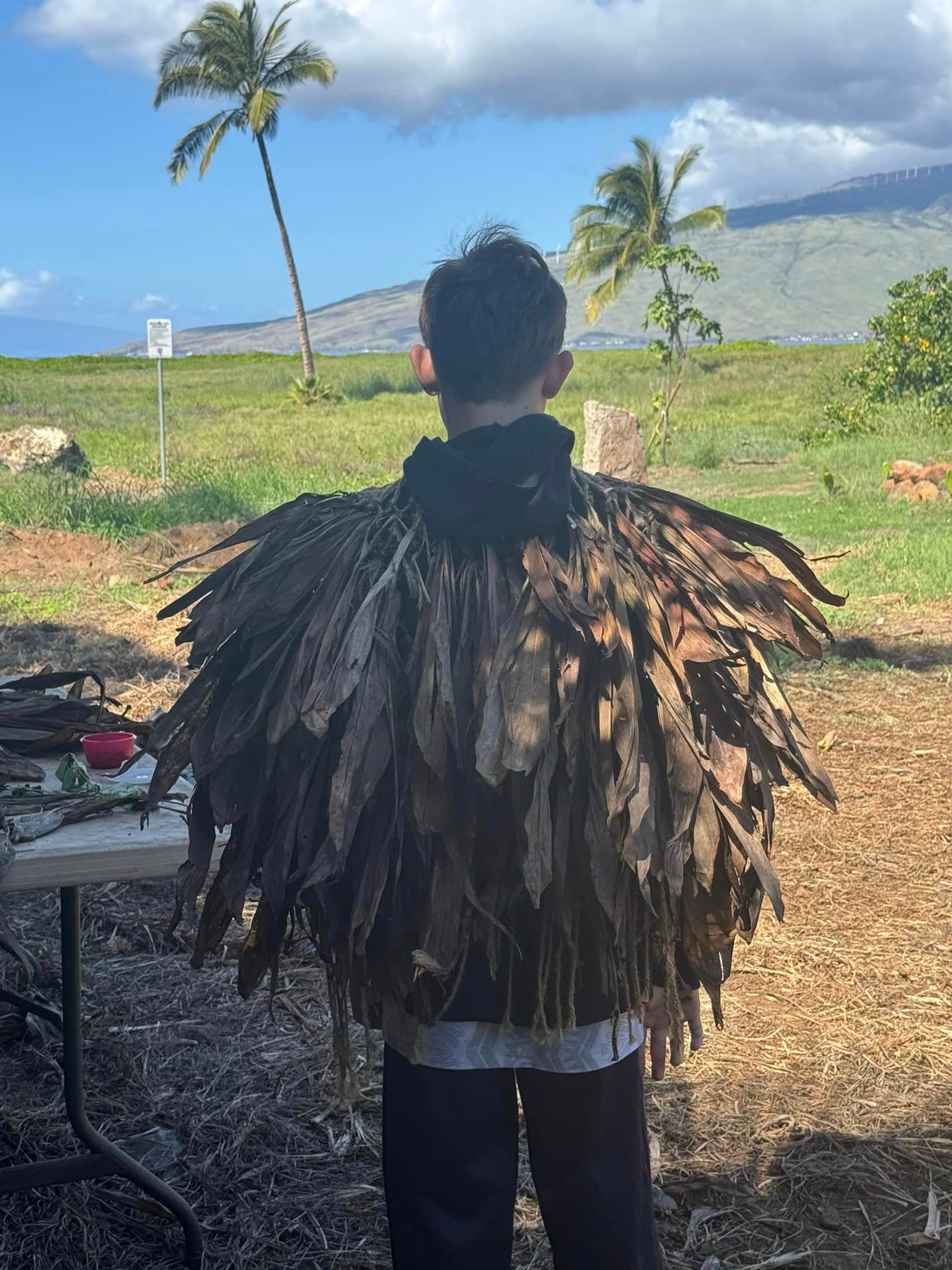
Our restoration methods prioritize native seed bank protection and natural regeneration. Rather than mass-planting non-site-appropriate species, we identify and protect native recruits, manage the invasive species that suppress them, and allow appropriate native ground covers, sedges, and plants to re-establish the soil and stabilize dunes. Through Loina (cultural traditions), including ethnobotany, planting, tool making, and cultural practices, we rebuild the relationships that sustain life.
Key Programmatic Activities
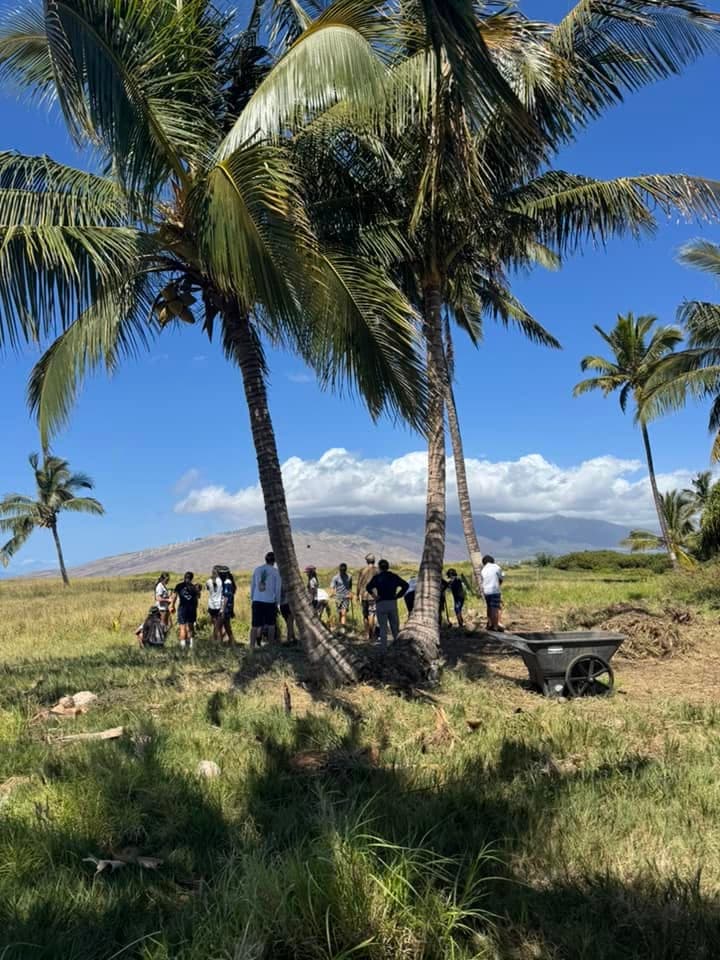
- Native Seed Bank Regeneration:Removing invasive weeds to let dormant, place-appropriate native seeds naturally emerge and recruit.
- Traditional Land Management (Loina):Hosting cultural practices, educational workshops, and ethnobotany sessions to utilize native species responsibly.
- Dune and Wetland Stabilization:Re-establishing native ground covers and molding banks with sedges to filter sediment, prevent erosion, and buffer the shoreline.
Four Steps on the Ground
- 1
Identify Native Species
Identify and assess native species and ecosystem health.
- 2
Designate Seed Banks
Protect and establish native seed sources for long-term restoration.
- 3
Clear Invasive Species
Remove invasive species to allow native ecosystems to recover.
- 4
Monitor Growth
Monitor, evaluate, and adapt management to ensure long-term success.
2. Kaiāulu / Community
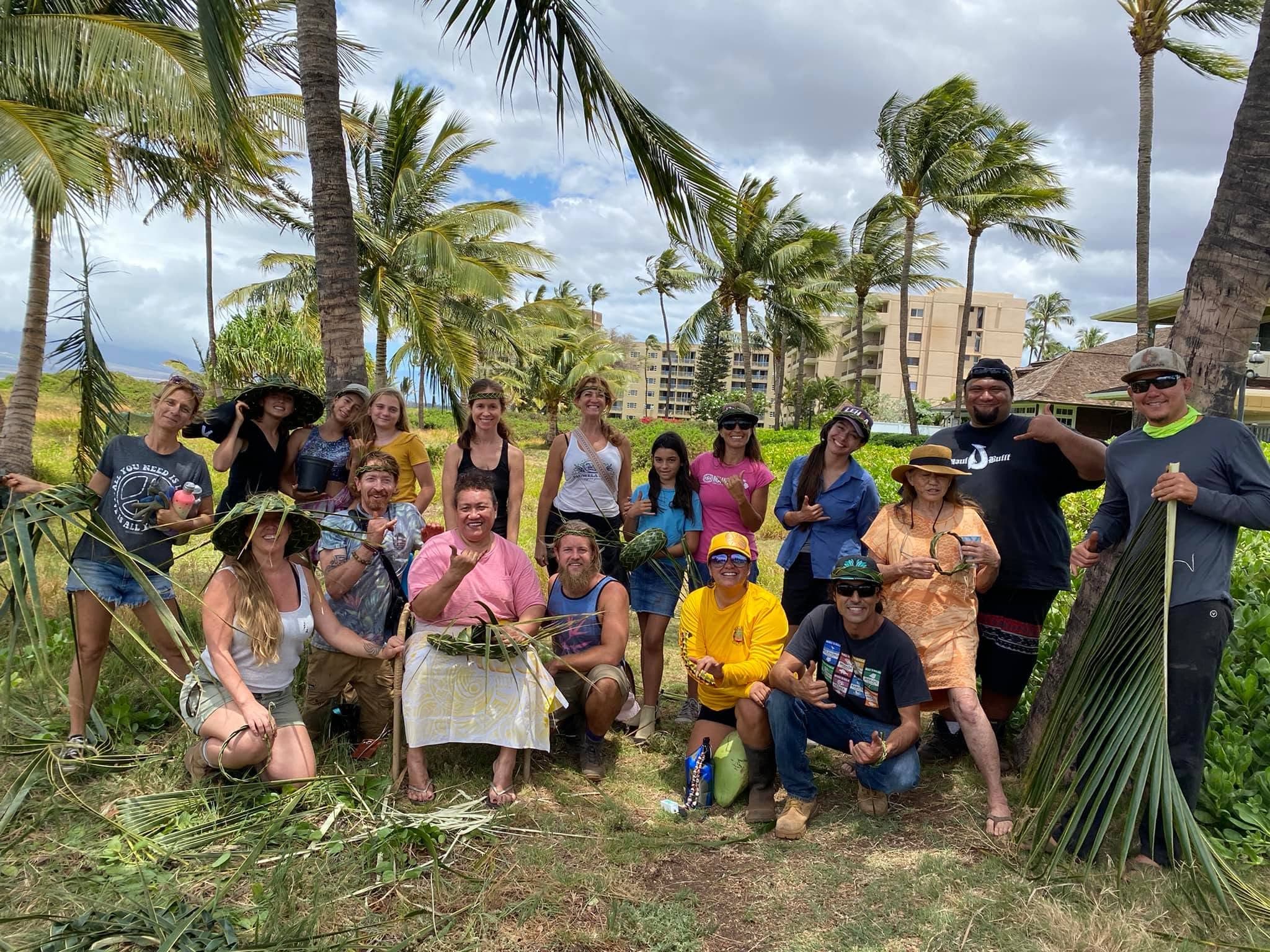
Kaiāulu, strengthening relationships, leadership, and resilience within our communities, is the gathering tide of people. Long-term ecological restoration cannot succeed in isolation; it depends on establishing a deep, shared kuleana (responsibility) across our entire community. We bring together local community members, neighboring condominium residents, cultural practitioners, and partner agencies to align our land-based and ocean-based stewardship.
We actively collaborate with schools, educators, and County partners to integrate local ecological stewardship into active education. By addressing community concerns and highlighting the shared benefits of a healthy ecosystem—such as flood mitigation and nearshore reef protection—we weave a resilient network of collective care.
Key Programmatic Activities
- Community Stewardship Days:Hands-on workdays bringing neighbors and volunteers together on the ground.
- Condo & Neighbor Outreach:Information sessions and collaborative planning to manage adjacent lands in alignment with natural systems.
- Interagency Collaborations:Aligning county, state, and environmental organizations to foster watershed-scale resilience.
"Like coral, we are strongest when we grow together—building, protecting, and sustaining the foundation that supports life."
3. Hoʻonaʻauao / Education and Learning
Hoʻonaʻauao is the third pou: cultivating ʻike, inspiring lifelong learning, and preparing future Kiaʻi. At its center is kilo, the practice of careful, systematic observation and deep attunement to the natural world. It is more than seeing with the eyes—it means engaging all of our senses to listen, smell, touch, feel, and attune to the subtle shifts in our land, sea, and sky (ʻāina, kai, and lewa). Through Kilo, we learn to move with natural cycles: tracking moon phases, tides, winds, clouds, and seasonal plant growth.
We bring cultural Kilo practice and scientific data collection together. Through youth education, field learning, and environmental monitoring, we teach the process of becoming familiar with our environment (hoʻokamaʻāina). By looking closely at indicators of success—such as the return of native manu (birds), native insect populations, and the growth patterns of native plants—our community learns to read the land's response and adapt our restoration practices accordingly.
Key Programmatic Activities
- Youth Kilo Education:Guiding school groups in tracking seasonal changes, bird migrations, and wind patterns.
- Remote Sensing & Science:Pairing boots-on-the-ground observations with modern tools, such as LiDAR data, multi-spectral aerial imagery, and underwater GoPro cameras for non-invasive limu monitoring.
- Seasonal Conditions Tracking:Documenting seasonal shifts to guide planting schedules, bank stabilization, and seed dispersal.
Restoration Practices in Action
A closer look at the specific techniques, gatherings, and science driving our work on the ground. Explore our ongoing projects below.
Extracting and analyzing core soil samples allows us to understand the historic composition of the wetlands before coastal development.
Active in the Field
Join us for upcoming workshops, or explore our recent field notes to see how our methodology adapts alongside the seasons.
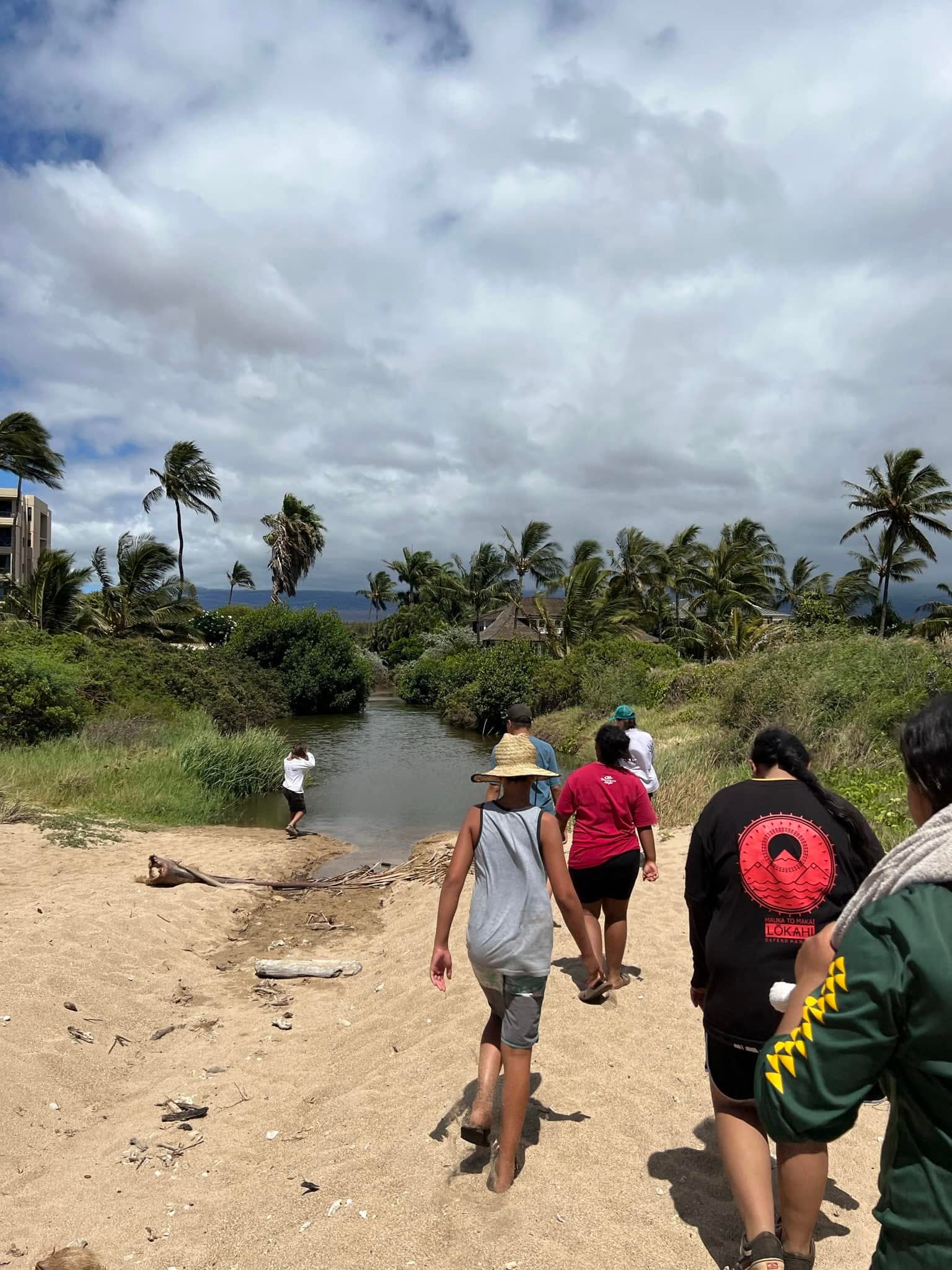
Introduction to Kilo Practice
Join us at North Waiohuli to learn the basics of observing tides, moon phases, and natural cycles.
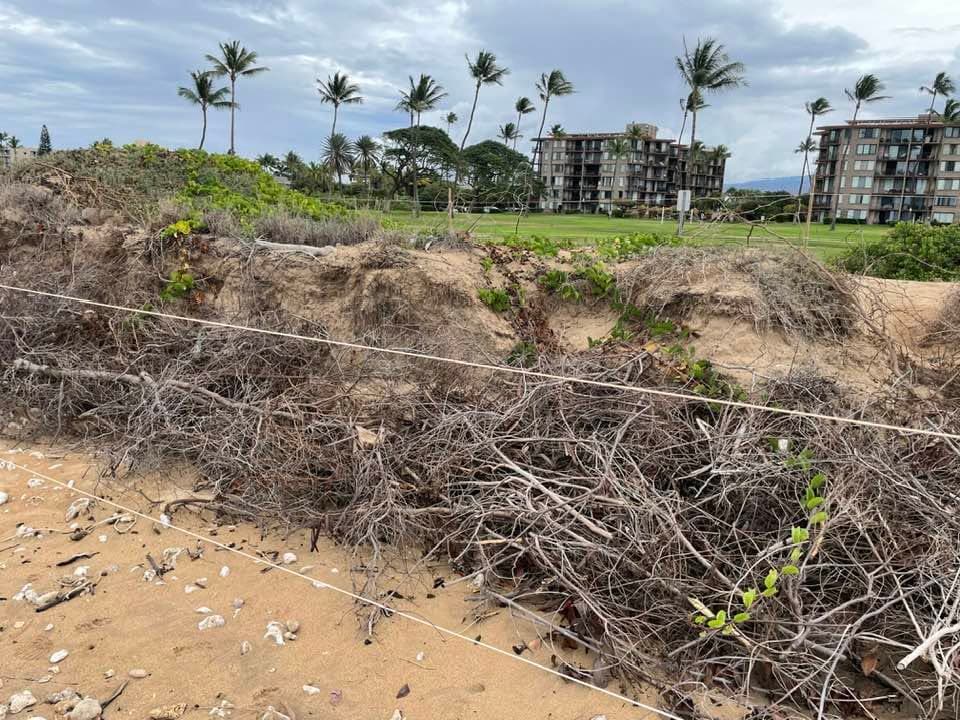
Dune Stabilization Volunteer Day
Help us remove invasive pickleweed and map new native recruits emerging from the seed bank.
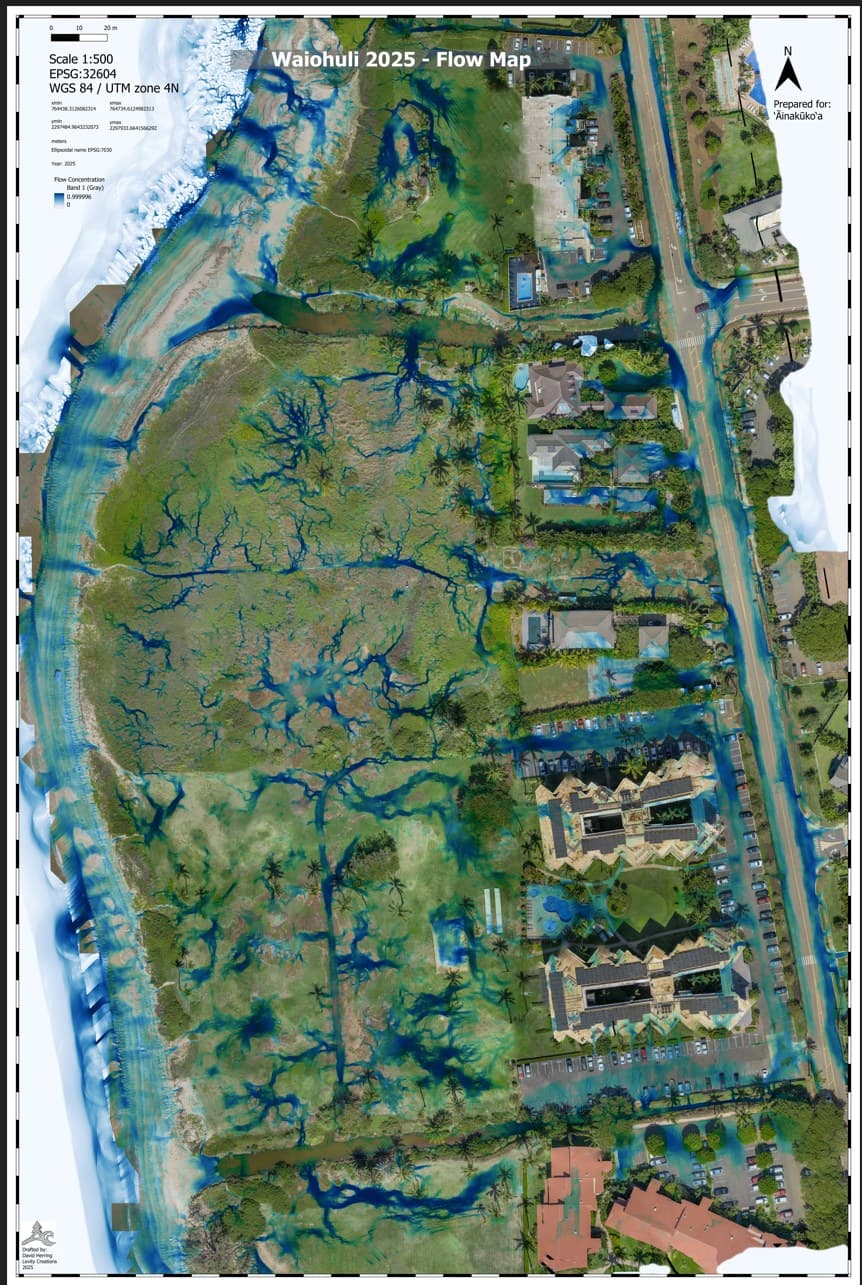
LiDAR Data Review Session
A community review of the latest hydrological flow simulations provided by Levity Creations.
Education & Outreach
Through hands-on learning, cultural workshops, and community presentations, we are dedicated to sharing knowledge and fostering a deeper connection to the land.
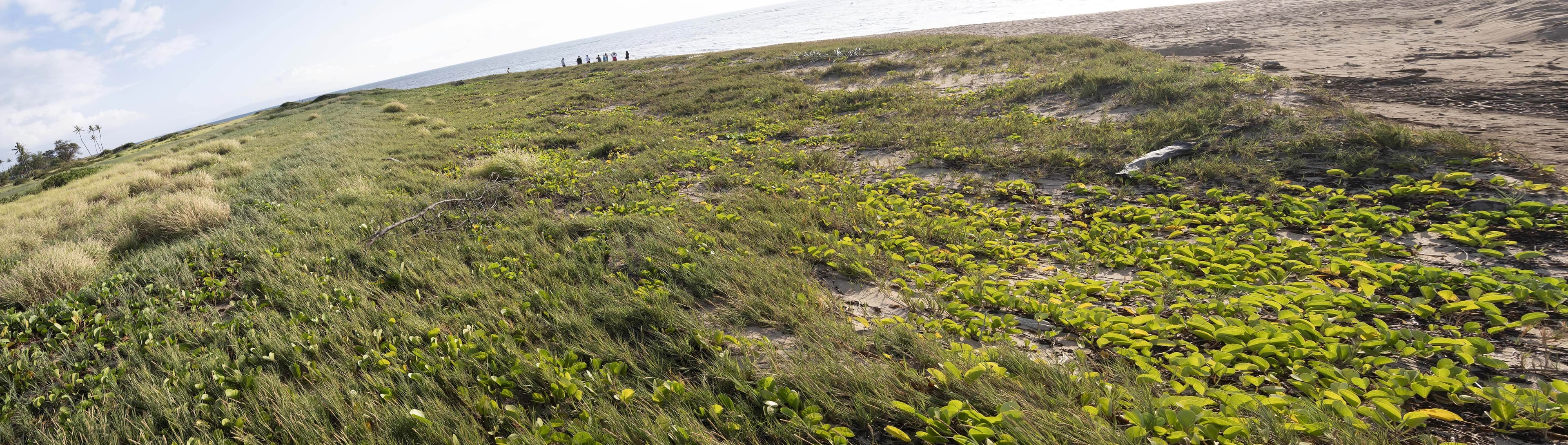
Naupaka and pōhuehue doing the slow work of holding the sand.
Hoʻopili Mai
Find your connection
There is a place for everyone in this work. Whether you are a neighbor wanting to care for adjacent lands, a teacher seeking field learning opportunities for your students, or a partner organization looking to align watershed-scale goals—your hands and observations make these living systems stronger.